27 Aug 2026
Age Demographics Driving Specialized Roulette Rewards in Licensed Digital Platforms
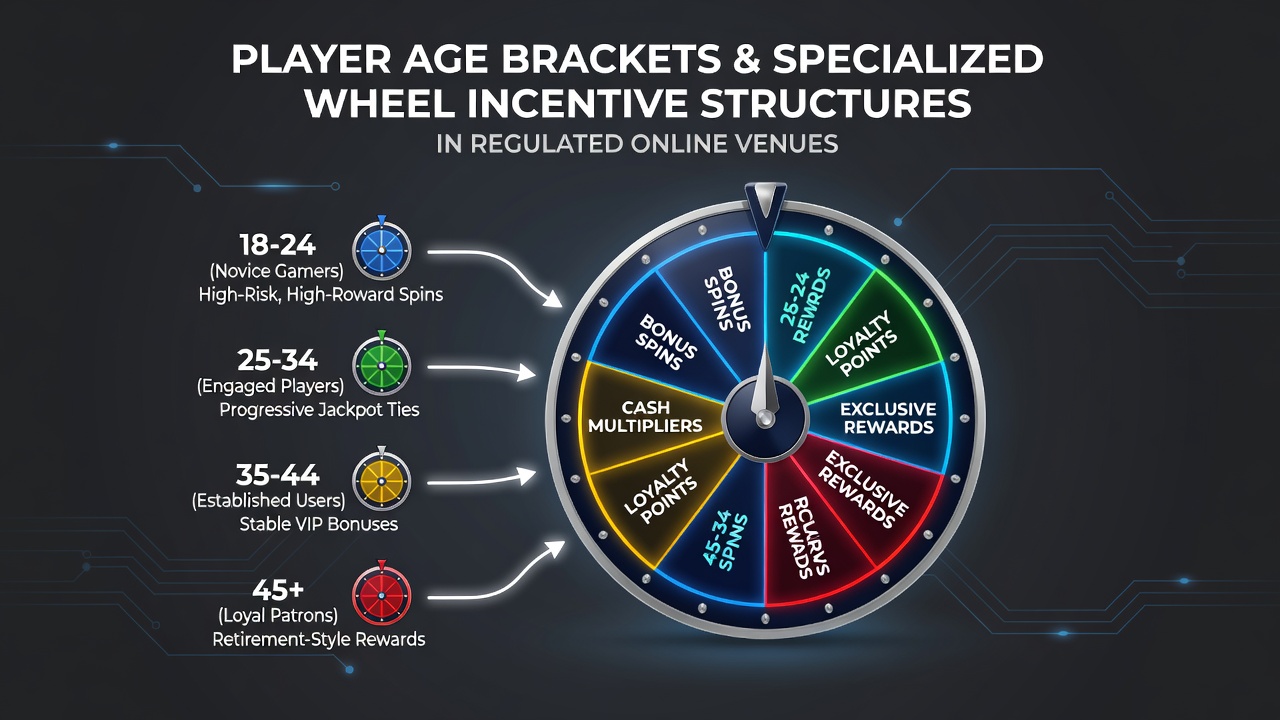
Regulated online venues segment player populations by age to calibrate wheel-based promotions, and data from multiple jurisdictions shows clear correlations between these brackets and the types of incentives offered. Younger adults aged 21 to 34 often receive mobile-first deposit matches and free spin packages tied to roulette variants, whereas those aged 35 to 49 encounter loyalty multipliers that scale with table limits and session frequency, while players 50 and older see cashback structures emphasizing steady play on classic wheel formats. Licensing bodies track these patterns through mandatory reporting, and the distinctions emerge from compliance requirements rather than arbitrary design choices.
Verification Protocols Shape Initial Offer Delivery
Age verification systems required by state and national regulators establish the foundation for incentive allocation, and platforms must confirm eligibility before any wheel-related perk activates. In New Jersey, the Division of Gaming Enforcement mandates real-time identity checks that route verified users into bracket-specific campaigns, while similar frameworks in Ontario direct operators to apply distinct bonus terms once documentation clears. Research from the National Council on Problem Gambling indicates that these early-stage categorizations influence long-term engagement metrics, with bracket data feeding into automated systems that adjust wager requirements and validity periods accordingly.
Operators integrate these verified brackets into backend algorithms that trigger roulette-specific rewards, and the process avoids overlap between groups because regulatory audits prohibit cross-bracket leakage. One study conducted by the University of Nevada, Reno tracked account cohorts across six months and found that 21-34 users converted deposit bonuses into wheel play at higher initial rates, whereas 50-plus cohorts maintained longer retention when cashback tiers applied instead.
Mid-Life Brackets and Tiered Accumulation Models
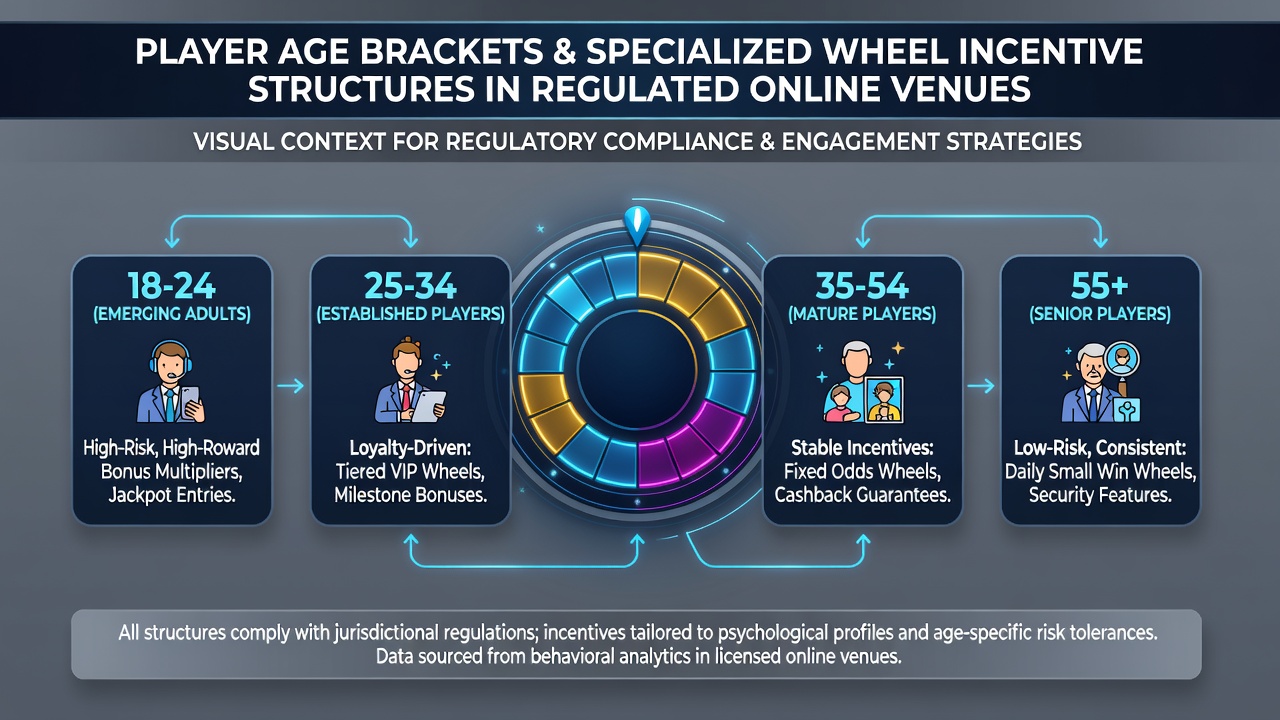
Players between 35 and 49 typically encounter progressive loyalty layers that compound across roulette sessions, and platforms deliver these through points systems calibrated to average bet size and frequency. Data compiled by the European Gaming and Betting Association reveals that this bracket responds strongly to reload structures linked to live dealer wheels, with redemption rates climbing when multipliers activate after consistent weekly volume. Regulators in Pennsylvania require operators to publish these tier thresholds, which creates transparency that further differentiates the 35-49 experience from adjacent groups.
August 2026 brought updated reporting standards in several interstate compacts, and these changes prompted platforms to refine bracket boundaries so that mid-life users receive clearer pathways toward higher table-limit incentives. Observers note that the adjustments align with observed play patterns where this demographic favors European wheel variants over American layouts, prompting operators to weight reward structures accordingly without altering core regulatory limits.
Older Player Segments and Cashback-Centric Designs
Those aged 50 and above often receive cashback models that return a percentage of net losses on roulette play, and these structures appear more frequently in markets with mature player bases such as parts of Australia and certain Canadian provinces. Figures released by the Australian Gambling Research Centre show elevated participation in steady-spin formats among this bracket, correlating with incentive designs that emphasize loss recovery over high-volume free play. Platforms must still adhere to responsible gaming flags that apply uniformly, yet the cashback percentages scale within bracket parameters to reflect documented session lengths.
Cross-jurisdictional comparisons highlight that operators serving multiple regions adjust these older-bracket offers to meet local rules, and data indicates lower dispute rates when cashback credits post automatically rather than through manual claims. The result is a stable incentive layer that regulators monitor for fairness alongside the more dynamic packages aimed at younger cohorts.
Conclusion
Age brackets function as operational categories within regulated online venues, and their connection to specialized wheel incentives stems from compliance data, verification mandates, and observed behavioral metrics across jurisdictions. Licensing frameworks continue to evolve, yet the segmentation approach remains consistent because it satisfies audit requirements while allowing platforms to structure roulette promotions that align with documented player cohorts. Continued reporting from bodies such as the Nevada Gaming Control Board and academic partners will track how these ties develop through the remainder of 2026 and beyond.