18 Aug 2026
Blockchain Wallets and Live Roulette Reward Integration in Global Gaming Networks
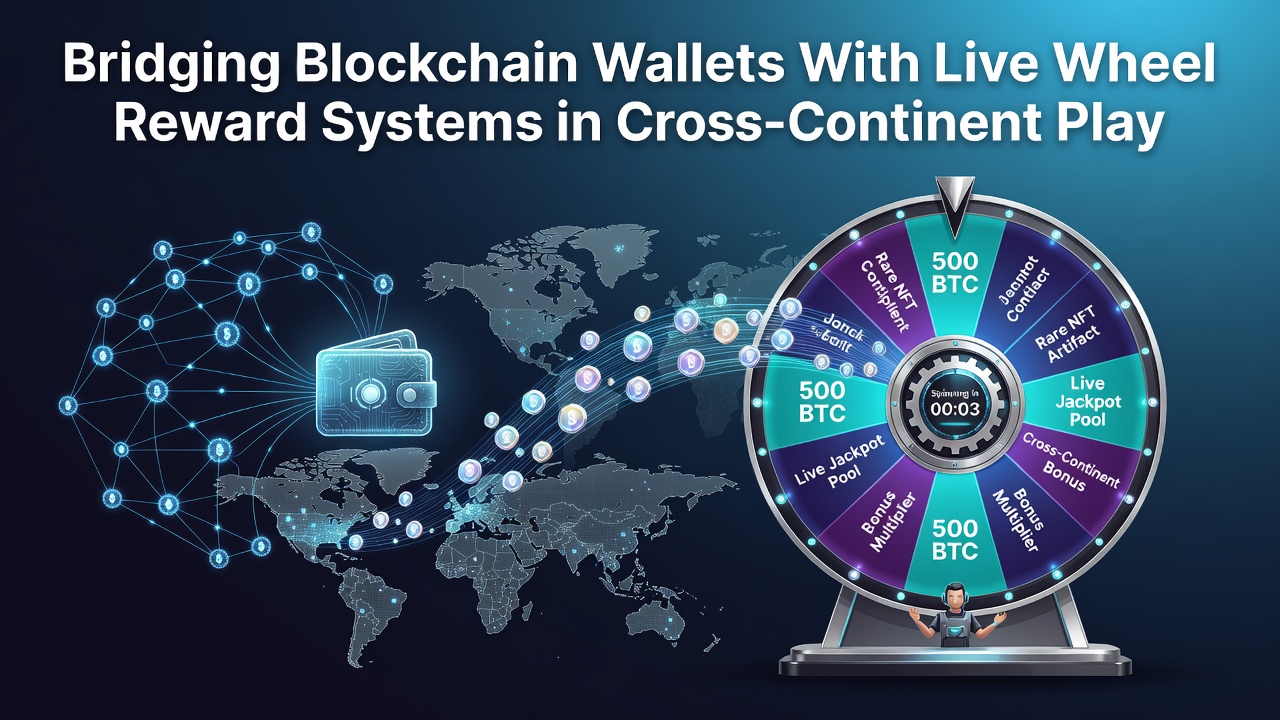
Blockchain technology connects digital wallets directly to live wheel reward platforms, allowing players in different regions to receive and redeem incentives without traditional banking delays. This setup uses distributed ledger systems to record transactions in real time while live dealer streams process bets and issue bonuses based on spin outcomes. Data from industry reports shows that such integrations reduce settlement times from days to seconds in many cross-border scenarios.
Core Mechanics of Wallet-to-Reward Connections
Live wheel environments transmit outcome data to smart contracts stored on blockchain networks, triggering automatic reward distributions when predefined conditions like minimum wager thresholds or specific number hits occur. Players maintain control of private keys throughout the process, and the ledger provides an immutable record of every credit allocation. Observers note that this method eliminates intermediary processors common in conventional online gaming systems, particularly when participants operate from jurisdictions separated by oceans and regulatory zones.
Smart contract protocols verify player eligibility through cryptographic signatures before releasing funds into designated wallets. European regulatory frameworks outlined in reports from the European Gaming and Betting Association highlight how these automated checks align with compliance requirements across multiple member states. Meanwhile, Australian research institutions have documented similar patterns in trials involving multi-continental player pools during the first half of 2026.
Cross-Continent Transaction Flows in Practice
Players located in North America often initiate sessions that link to reward ledgers hosted on servers in Asia or Europe, with blockchain bridges handling currency conversions on the fly. The system converts local fiat values into stablecoins or native tokens before crediting live wheel accounts, then reverses the process upon cashout requests. Figures from gaming analytics platforms indicate that average transaction costs drop below traditional wire transfer fees when volumes exceed certain thresholds, especially during peak evening hours in August 2026.
One documented implementation involves North American operators partnering with Asian blockchain providers to stream live roulette feeds while maintaining separate reward ledgers for each region. The architecture routes player actions through encrypted channels that update both the game state and the wallet balance simultaneously. Regulatory bodies in Canada have examined these models for their potential to maintain audit trails without exposing personal banking details.
Security Protocols and Data Integrity Measures
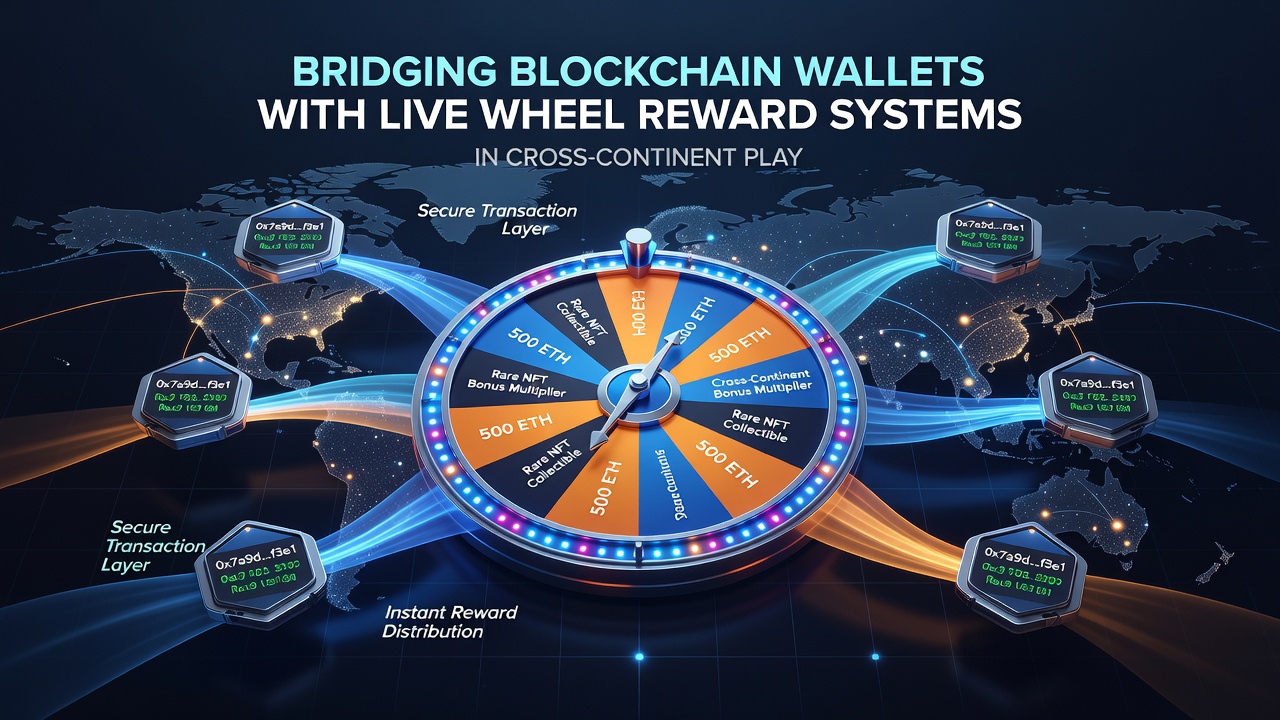
Encryption standards embedded in blockchain wallets protect sensitive reward data during transmission between live dealer servers and player devices. Multi-signature requirements often mandate approval from both the gaming platform and the player before large redemptions finalize. Research from academic sources tracking 2025-2026 deployments found that these layered verifications reduced unauthorized access incidents compared to centralized reward databases used in earlier live casino models.
Network consensus mechanisms validate each reward issuance across distributed nodes, creating redundancy that persists even if individual servers experience outages. Observers tracking global operations report that this approach maintains continuity for players switching between different time zones and regulatory environments without losing accumulated credits or bonus eligibility.
Regulatory Variations Across Regions
Jurisdictions apply distinct rules to blockchain-based reward systems, with some requiring localized wallet providers while others permit global ledger access under strict reporting conditions. Canadian provincial authorities and Australian state regulators have both issued guidance documents that address record-keeping obligations for cross-border transactions. These frameworks emphasize transparency in smart contract code while allowing operators flexibility in choosing underlying blockchain protocols.
Operators adapt by deploying region-specific nodes that comply with local data residency laws yet remain interoperable with the main network. This modular design supports seamless play for users traveling between continents, as reward histories transfer through standardized application programming interfaces rather than manual reconciliation processes.
Conclusion
Integration between blockchain wallets and live wheel reward systems continues to evolve through technical refinements and regulatory adjustments observed through mid-2026. The combination of real-time ledger updates with live dealer mechanics creates pathways for reward distribution that span multiple continents while preserving transaction integrity. Continued monitoring by gaming authorities and research groups will shape how these systems expand in subsequent years.