17 May 2026
Charting How Loyalty Tiers Reshape Reward Accumulation in Virtual Wheel Environments
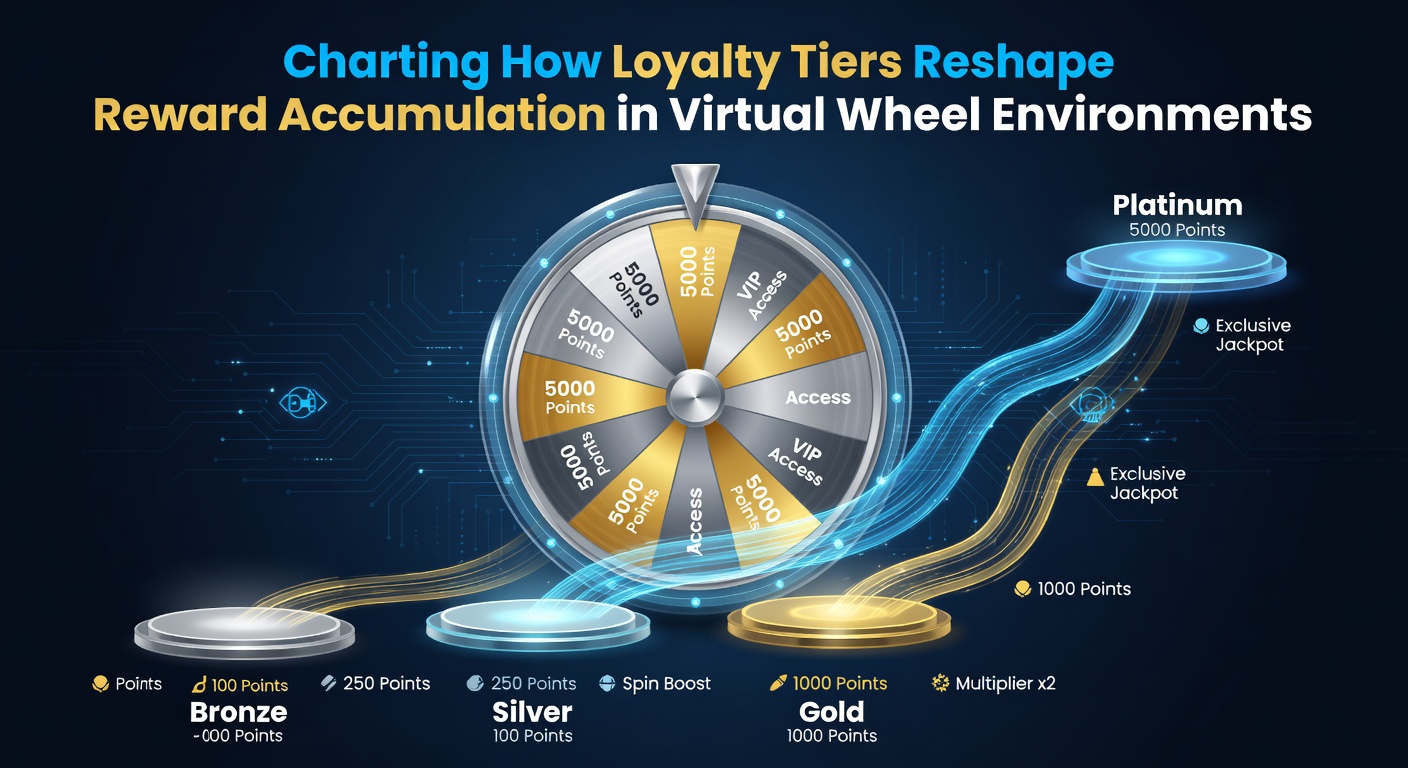
Virtual wheel environments have evolved into structured ecosystems where loyalty tiers directly influence how players build and redeem rewards over time, and data from multiple gaming platforms shows clear patterns in point accumulation rates that shift based on tier status. Players move through levels such as bronze, silver, gold, and platinum by earning comp points from roulette wagers, yet the rate at which those points convert into cashback, free spins, or deposit bonuses changes dramatically once a higher tier unlocks. Research indicates that mid-tier participants often see point multipliers rise from 1x to 1.5x while premium tiers reach 2x or higher on the same wager volume, creating measurable differences in long-term reward totals.
Mechanics Behind Tier-Based Point Systems
Operators assign comp points at base rates tied to bet size and game type, but loyalty programs layer additional multipliers that activate automatically upon tier qualification. A bronze member might collect one point per 10 dollars wagered on a virtual wheel while a gold member collects the same base point plus a 50 percent bonus applied retroactively to recent activity. This structure means the same 500-dollar session yields noticeably different point totals depending on current tier, and platform analytics from 2025 confirm that players who maintain consistent volume accelerate through tiers faster when they combine daily login streaks with weekly play targets. Observers note that virtual environments simplify tracking because automated systems update balances in real time without the delays common in land-based settings.
Changes Observed in Reward Redemption Patterns
Redeemption options expand and improve as players climb tiers, shifting from small cashback percentages to higher-value items such as dedicated account managers, exclusive wheel tournaments, and accelerated withdrawal processing. Data collected across several international operators reveals that platinum members redeem rewards at rates 30 to 40 percent higher than entry-level accounts because their accumulated points carry greater value per unit. In May 2026, multiple platforms introduced tier-specific leaderboards that award extra points to top performers within each level, further differentiating outcomes between casual and dedicated participants. Those who study player behavior report that higher tiers also unlock hybrid rewards blending monetary credits with non-cash perks like merchandise or event tickets, extending the utility of points beyond simple balance top-ups.
Regional Regulatory Influences on Tier Structures
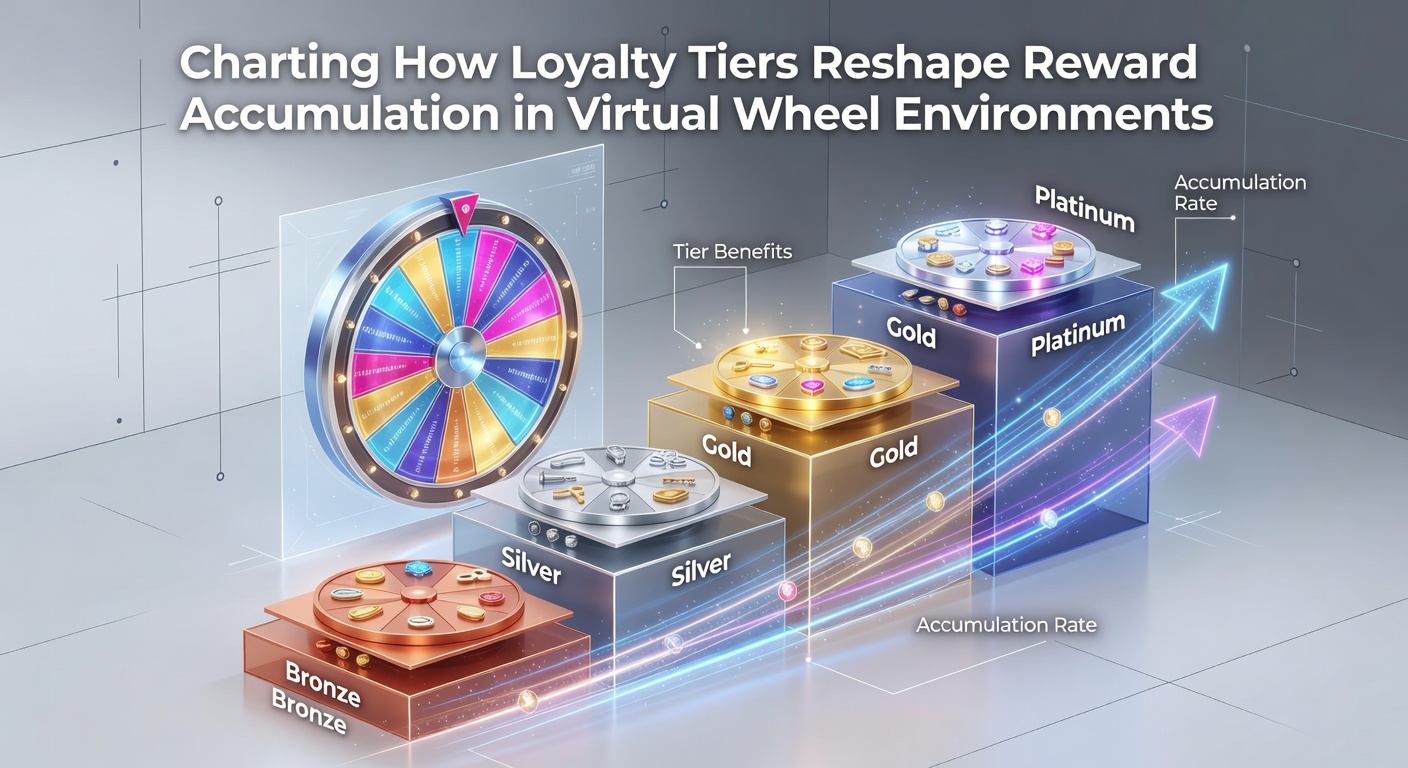
Gaming authorities in different jurisdictions shape how operators design and disclose loyalty mechanics, with the Australian Gambling Research Centre publishing findings that emphasize transparency requirements around point expiration and tier downgrade policies. Canadian provincial regulators have similarly required clear communication of multiplier values so participants understand exactly how wagers translate into rewards at each level. Industry reports from the National Council on Problem Gambling highlight that tier systems can encourage extended play sessions, prompting some operators to integrate responsible gaming tools directly into loyalty dashboards. These tools allow users to set personal limits that still preserve tier progress while capping overall exposure, demonstrating how regulatory frameworks and commercial programs intersect in practice.
Long-Term Accumulation Trends Across Player Segments
Longitudinal data sets spanning multiple years show that players who reach gold or platinum status accumulate rewards at compound rates because tier benefits stack with ongoing promotions and seasonal events. One analysis of aggregated platform statistics found that consistent participants in higher tiers converted roughly twice the point volume into usable rewards compared with those who remained at lower levels over the same twelve-month period. Virtual wheel formats contribute to this trend because they support rapid spin cycles that generate points quickly, and operators have responded by introducing tier-locked challenges that award bonus multipliers during peak hours. The result is a feedback loop where early tier advancement increases the speed of future progress, altering the overall reward landscape for different player cohorts.
Conclusion
Loyalty tiers continue to define reward accumulation in virtual wheel environments by applying variable multipliers, expanding redemption catalogs, and integrating regional compliance standards that affect program design. Platform data from 2026 indicates sustained growth in tier-based features as operators refine algorithms to balance player retention with regulatory expectations. Those who track these developments observe that the core relationship between wager volume and reward value remains tied to tier status, creating predictable yet differentiated outcomes across the player base.