23 Aug 2026
Digital Wallet Innovations Reshaping Roulette Reward Access Across Global Markets
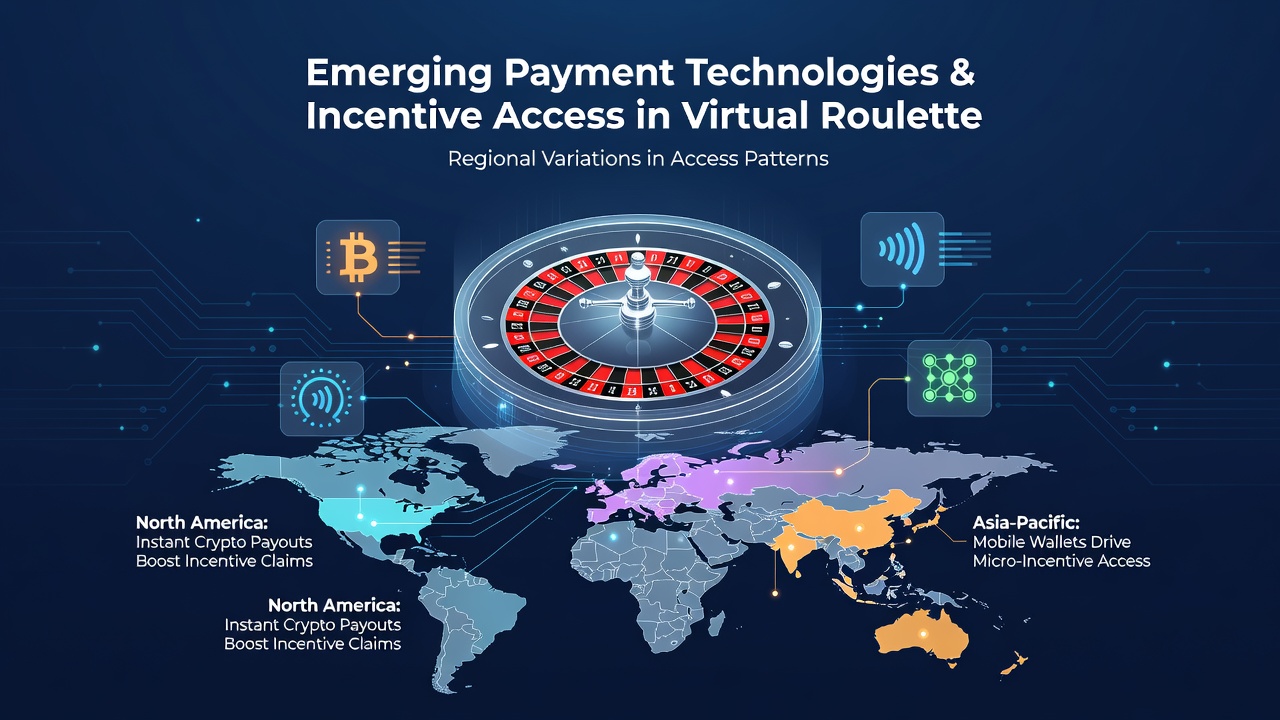
Payment technologies such as instant bank transfers, cryptocurrency networks, and mobile wallet systems continue to modify how players reach incentives tied to virtual roulette platforms, and these shifts appear in distinct patterns depending on the regulatory and technological landscape of each region. Data from industry reports indicate that faster settlement times allow operators to deliver time-sensitive rewards more efficiently, while cross-border transaction capabilities expand eligibility for players in previously restricted areas.
North American Developments in Payment Integration
Operators in teh United States and Canada have adopted real-time payment rails that connect directly to player accounts, and this connection reduces the delay between deposit confirmation and bonus activation for roulette sessions. Figures released by state gaming authorities show increased uptake of digital wallet options in New Jersey and Pennsylvania markets during the first half of 2026, whereas Canadian provinces report similar growth through Interac-based systems that clear within seconds. Researchers at several North American universities note that these methods lower the friction associated with verification steps, which in turn affects the speed at which loyalty credits and reload offers become available to active roulette participants.
European Regulatory Frameworks and Wallet Adoption
European markets demonstrate varied responses to emerging payment tools because each jurisdiction maintains separate licensing requirements for transaction processing. In several EU member states, electronic money institutions now facilitate instant transfers that integrate with roulette software, allowing operators to release no-deposit style credits more rapidly than traditional card methods permitted. Observers note that countries with mature open banking rules experience higher volumes of incentive redemptions tied to virtual wheel games, while regions still transitioning to newer standards see slower adoption curves. Industry data compiled through 2026 highlight that these payment layers also support multi-currency handling, which broadens access for players traveling or residing across borders.
One study released in August 2026 examined transaction logs from multiple platforms and found that wallet-based deposits correlate with higher completion rates for bonus wagering requirements on roulette tables. The analysis compared data sets from Western and Eastern European operators, revealing that instant funding options reduce abandoned sessions during promotional periods.
Asia-Pacific Trends in Mobile and Crypto Payments
Markets across the Asia-Pacific region rely heavily on mobile-first payment ecosystems, and these ecosystems integrate cryptocurrency options alongside local e-wallet services to streamline incentive distribution. Reports from regulatory bodies in Australia and Singapore indicate that platforms offering instant crypto settlements record elevated participation in regional roulette tournaments and loyalty programs. Players in these areas frequently encounter region-specific promotions that activate only after a verified digital wallet transaction, which alters traditional patterns of bonus eligibility based on geographic location. Data collected through mid-2026 show that such integrations help operators comply with local financial rules while still expanding reward reach to a broader user base.
Latin American and African Market Adaptations
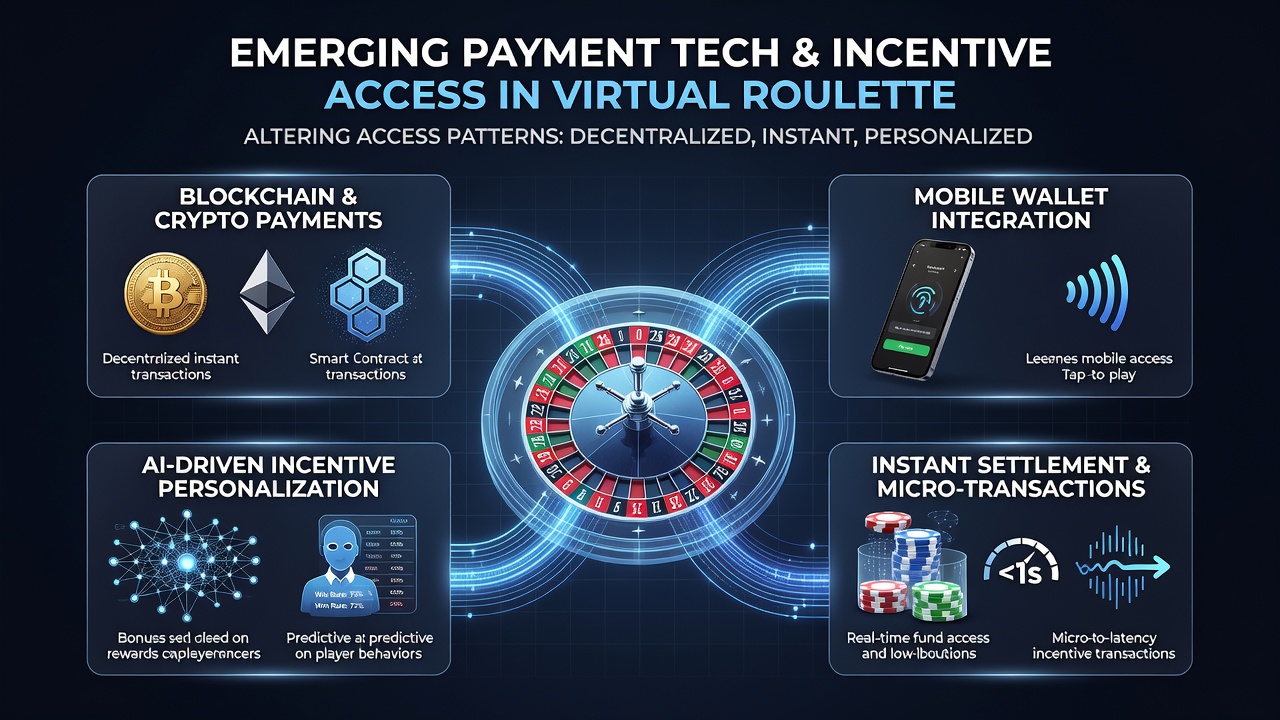
Emerging economies in Latin America and parts of Africa have seen rapid deployment of mobile money services that bypass conventional banking infrastructure, and these services now feed directly into virtual roulette environments. Operators in Brazil and South Africa, for example, utilize these channels to deliver localized incentives that would otherwise require longer processing windows. Government statistics from 2026 illustrate that transaction success rates improve when platforms accept local digital currencies alongside established wallet providers, resulting in more consistent access to deposit-match offers and cashback structures for roulette enthusiasts. Those monitoring these markets observe that infrastructure limitations in rural zones still create uneven distribution, yet urban centers demonstrate clear acceleration in reward activation times.
Cross-Regional Data Patterns and Future Trajectories
Comparative analyses conducted by international gaming research groups reveal that payment technology maturity directly influences the granularity of incentive targeting across different territories. Platforms equipped with advanced settlement capabilities can segment offers based on real-time transaction history rather than static player profiles, which changes how rewards appear in virtual roulette lobbies. Figures from August 2026 reports suggest continued expansion of these systems, particularly where regulatory updates align with faster payment networks. Experts tracking these developments point to blockchain-based verification tools as an additional layer that may further standardize access patterns without requiring repeated identity checks.
Conclusion
Payment innovations continue to intersect with virtual roulette operations on a regional basis, producing measurable differences in how incentives reach players. The documented shifts across North America, Europe, Asia-Pacific, and other markets demonstrate that transaction speed and method compatibility now serve as key variables in reward accessibility. Ongoing data collection through 2026 and beyond will likely refine these patterns as additional jurisdictions update their frameworks to accommodate emerging financial technologies.