21 Jul 2026
Exploring Intersections of User Data Patterns and Customized Spinning Game Incentives Across Digital Platforms

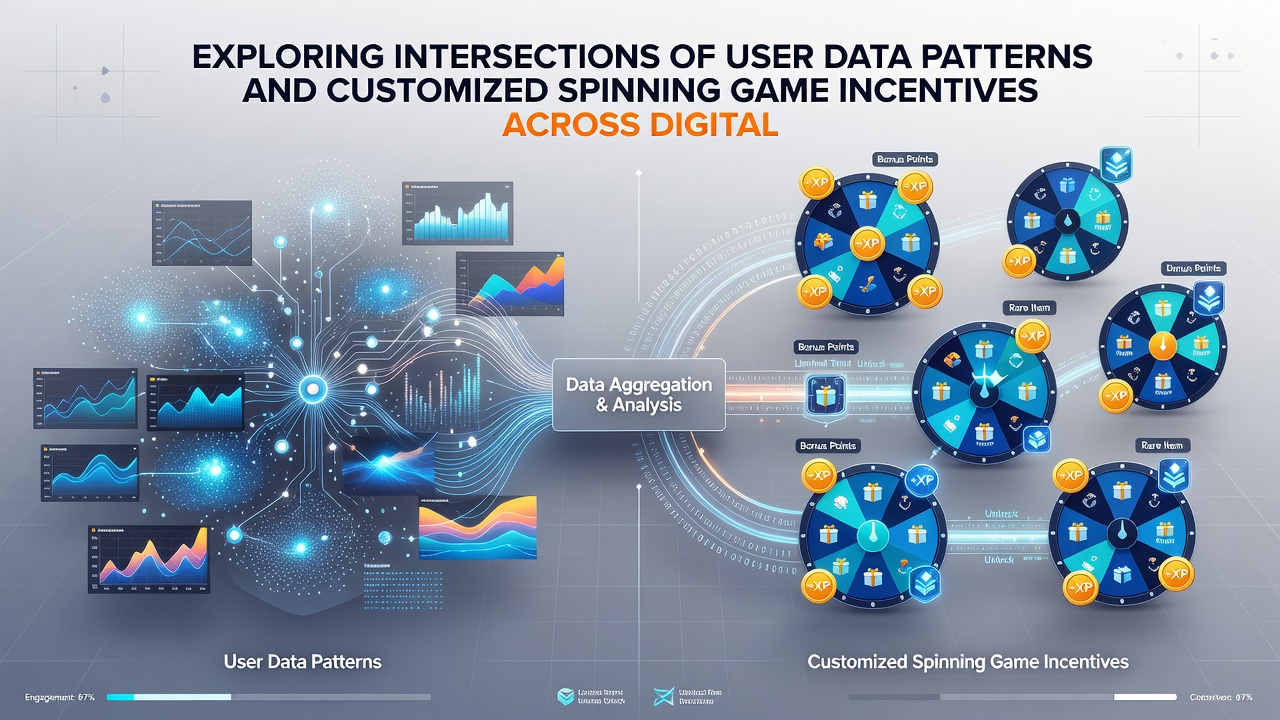
Digital platforms that host spinning games have integrated user data patterns into incentive structures for several years now, and the connections between behavioral tracking and reward customization continue to expand. Observers note that these intersections allow operators to adjust offers based on session frequency, bet sizes, and engagement metrics collected across mobile and desktop environments.
Data Collection Mechanisms in Spinning Game Environments
Platforms gather information through account registrations, gameplay logs, and device identifiers, then process that information to identify clusters of similar activity. Researchers have documented how timestamped spin records, deposit intervals, and navigation paths feed into algorithms that flag opportunities for tailored promotions. In July 2026 several major operators reported expanded use of cross-device tracking to refine these clusters further, resulting in incentive timing that aligns more closely with individual usage rhythms.
Session duration adn game variant preferences also contribute to the datasets, while geographic signals help segment users by regulatory region. This segmentation supports compliance with varying jurisdictional rules on bonus allocation without disrupting the overall personalization flow.
Customization Processes for Incentives
Once patterns emerge, systems generate offers such as free spin packages, deposit multipliers, or loyalty point accelerations that match observed behaviors. Data indicates that players who complete longer sessions on specific wheel variants receive incentives designed to encourage continued play within those same variants, whereas shorter-session users often see offers that highlight quick-start features or reduced wagering requirements.
Operators apply these adjustments at scale through automated rulesets that update daily or weekly, and the process relies on historical aggregates rather than real-time decisions alone. Industry reports from the Australian Communications and Media Authority have outlined how such rule-based systems maintain transparency requirements while still delivering differentiated rewards across user groups.
Platform Variations and Cross-Border Considerations
Different digital environments apply these intersections in distinct ways. Mobile-first platforms emphasize push notifications tied to location data and time-of-day patterns, whereas browser-based sites lean more heavily on email and in-app banners calibrated to previous deposit behavior. Cross-border operators must reconcile conflicting data privacy standards, which influences how much information they retain and how they present customized offers to users in each market.
One study released by the University of Nevada, Las Vegas International Gaming Institute in early 2026 examined how operators balance these regional differences while preserving consistent user experiences. The findings showed measurable increases in offer acceptance rates when customization respected local data-handling rules.
Analytical Techniques Driving the Intersections
Machine learning models cluster users according to multi-dimensional vectors that include both quantitative metrics and categorical game preferences. These clusters then map onto incentive libraries so that each group receives offers statistically associated with higher retention within similar cohorts. Validation occurs through A/B testing frameworks that compare customized versus generic promotions over fixed observation windows.
Platforms also monitor downstream effects such as changes in average session length or shifts in game selection after an incentive is delivered. Continuous feedback loops allow the models to recalibrate cluster boundaries and incentive parameters as new data arrives.
Regulatory and Technical Safeguards
Regulatory bodies in multiple jurisdictions require documentation of how data patterns translate into offers, partly to ensure that incentives do not disproportionately target vulnerable segments. Technical safeguards include encryption of stored behavioral records and access controls that limit which staff members can view individual user clusters.
As of July 2026, several European and North American regulators had issued updated guidance documents emphasizing audit trails for algorithmic decision-making in gaming promotions. These documents stress the need for explainability when customized incentives differ substantially across user groups.
Conclusion
The intersections between user data patterns and customized spinning game incentives reflect ongoing technical and regulatory developments across digital platforms. Continued refinement of clustering methods, cross-border compliance frameworks, and validation processes shapes how operators deliver differentiated rewards while meeting transparency obligations. Future adjustments will likely depend on evolving data governance standards and the expanding availability of granular behavioral signals.