7 Jun 2026
How Data Patterns Influence Customized Perk Delivery in Smartphone Wheel Gaming Environments
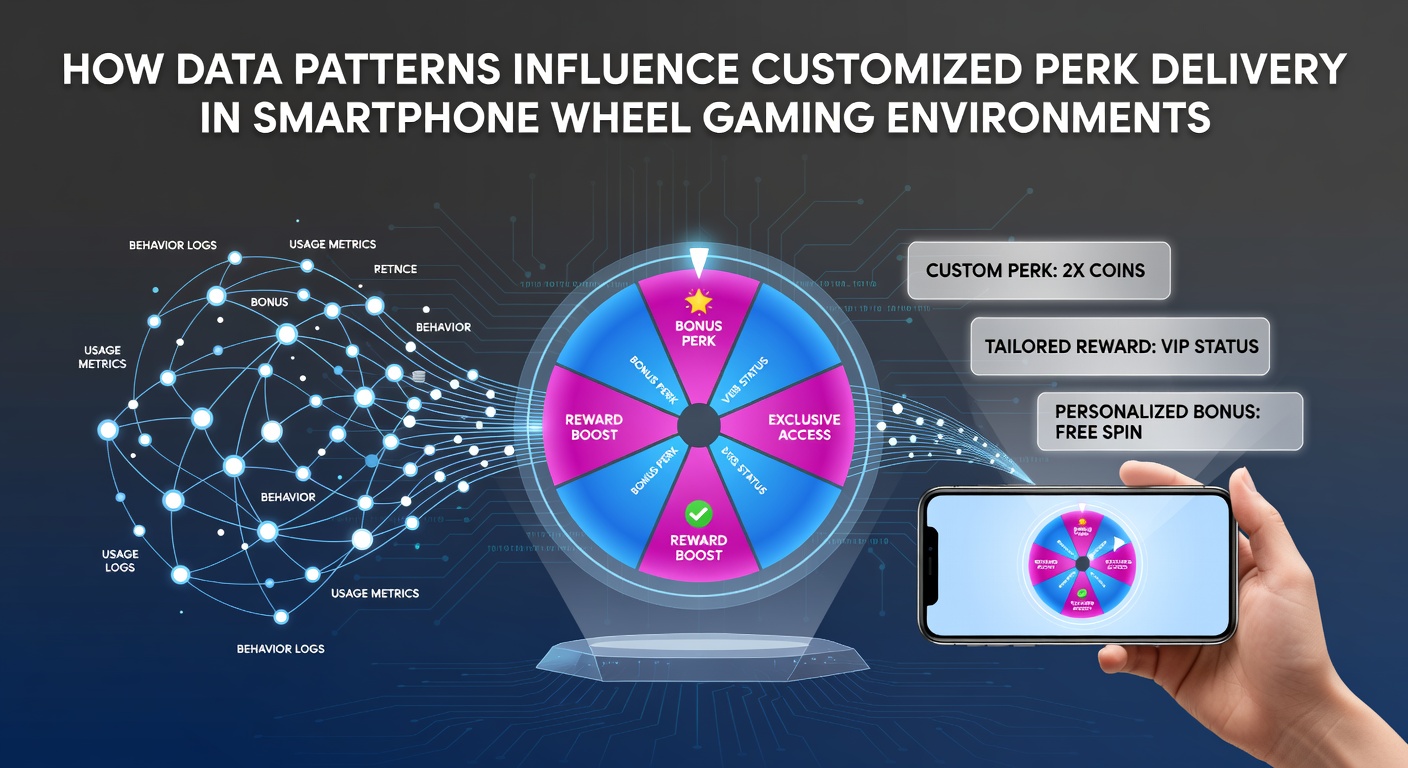
Smartphone wheel gaming environments rely on extensive data collection from user interactions, and these patterns directly shape how platforms deliver customized perks such as bonus spins, loyalty rewards, and tailored promotions. Operators gather information on spin frequency, wager amounts, session duration, device specifications, and geographic location, then apply analytical models to adjust offers in real time. This process allows systems to identify segments like high-frequency players who receive accelerated reward tiers, whereas occasional users encounter different incentive structures designed to increase engagement.
Data Collection and Initial Pattern Recognition
Platforms capture raw inputs through app telemetry, and these streams feed into centralized databases that process millions of events daily. Researchers at institutions like the University of Nevada, Reno have documented how machine learning algorithms sort this information into clusters based on behavioral metrics, including average bet variance and response times to in-game prompts. Patterns emerge quickly once datasets reach critical mass, such as users who favor European wheel variants over American ones often showing higher retention when offered region-specific perks.
Geolocation data plays a central role because regulatory environments differ across jurisdictions, and systems automatically calibrate perk values to comply with local rules. In June 2026, updated reports from the Nevada Gaming Control Board highlighted increased reliance on anonymized datasets to refine these calibrations, particularly for mobile users crossing state lines. Cross-referenced device identifiers further refine targeting by distinguishing between tablet and smartphone sessions, since the former tend to produce longer average play periods.
Algorithmic Customization Mechanisms
Once patterns stabilize, recommendation engines activate and match players with perk packages that align with observed habits. A user logging consistent evening sessions might receive time-sensitive reload bonuses, while daytime players encounter different structures tied to shorter, more frequent interactions. These engines incorporate predictive elements drawn from historical cohorts, allowing platforms to forecast churn risk and intervene with personalized credits before departure occurs.
Integration with third-party analytics providers accelerates this matching process, and data from external sources supplements internal logs to create fuller profiles. Observers note that A/B testing remains standard practice, with control groups receiving generic offers while test segments experience pattern-driven variations. Results from these tests feed back into the models, tightening accuracy over successive iterations.

Regional and Temporal Influences on Delivery
Seasonal shifts and global events alter pattern distributions, prompting platforms to recalibrate perk delivery accordingly. Data from the Canadian Gaming Association shows spikes in mobile wheel activity during summer months, leading operators to front-load vacation-themed incentives for users in those regions. Similar adjustments occur around major sporting calendars when cross-promotional opportunities arise.
Regulatory updates further modulate these systems, and platforms must maintain audit trails documenting how pattern inputs translate into specific offers. In June 2026, several European operators implemented new transparency requirements that expose the logic behind perk allocation without revealing proprietary algorithms. This development has encouraged greater use of explainable AI techniques to satisfy oversight bodies while preserving competitive edges.
Impact on Player Retention Metrics
Customized delivery correlates with measurable improvements in session length and repeat visits according to aggregated industry figures. Platforms that refine perks based on granular patterns report lower abandonment rates during onboarding phases, since new users encounter relevant incentives sooner. Longitudinal studies track these effects across cohorts, revealing that early personalization often compounds into sustained loyalty over multiple months.
Device-level optimizations complement behavioral data, with push notification timing adjusted according to individual activity windows. Users who ignore alerts during certain hours receive fewer interruptions, whereas responsive segments experience more frequent but carefully spaced communications. This balance prevents notification fatigue while maximizing conversion opportunities from data-derived insights.
Conclusion
Data patterns continue to drive increasingly precise perk customization across smartphone wheel gaming platforms, and ongoing refinements in collection and analysis methods ensure these systems evolve with user behaviors. Regulatory frameworks in multiple regions shape implementation boundaries, while technical advances enable more nuanced matching between observed habits and delivered incentives. The interplay between raw telemetry and algorithmic output defines the current landscape, with June 2026 marking further integration of compliance-focused tools into everyday operations.