4 Aug 2026
How Player Sleep Cycles Shape Roulette Reward Timing Across Borderless Gaming Networks
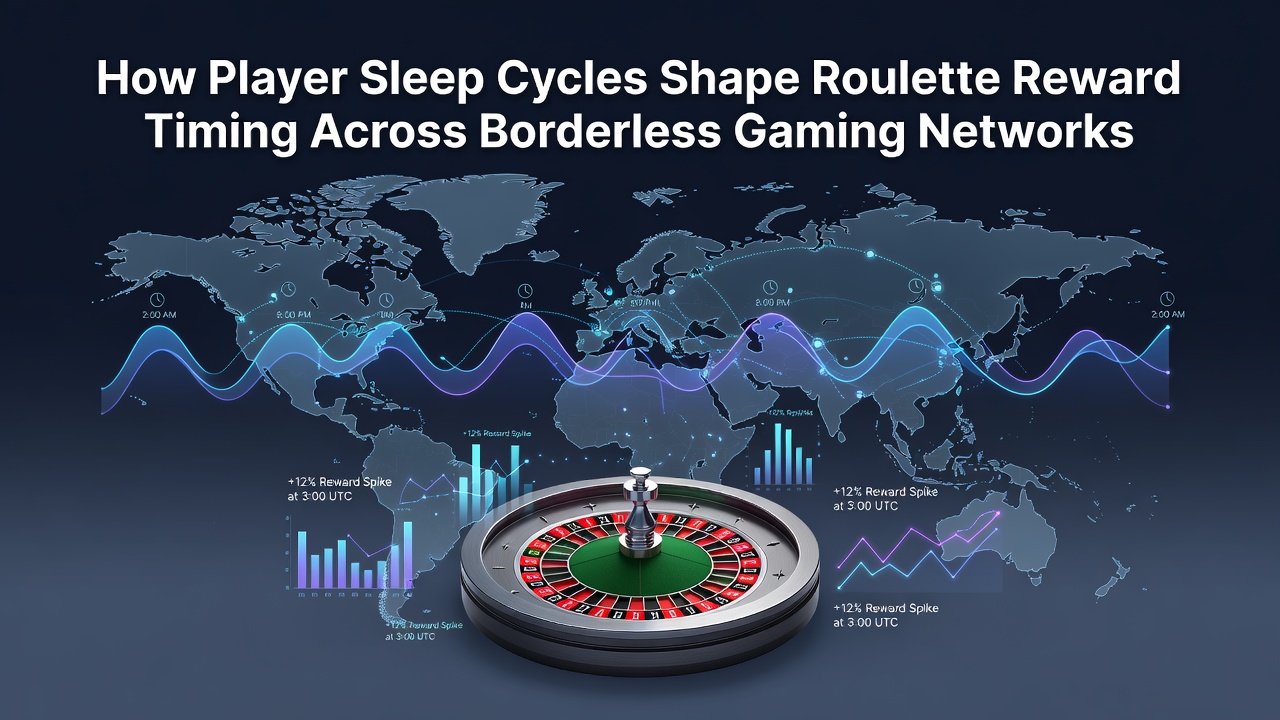
Researchers tracking online roulette activity across multiple jurisdictions have documented clear correlations between circadian rhythms and the moments when reward offers activate in borderless gaming platforms, and these patterns emerge most consistently when operators align bonus releases with aggregated player sleep data rather than fixed calendar times.
Studies conducted through university research programs show that alertness peaks and troughs directly affect login frequency; players in deep sleep phases generate zero activity while those entering light sleep or early wake cycles often check mobile devices within the first thirty minutes of rising, which creates predictable windows for reward notifications to land.
Circadian Data and Platform Algorithms
Borderless networks compile anonymized sleep proxies from device usage logs, timezone shifts, and historical spin patterns, then feed those inputs into machine learning models that adjust when free spins or cashback credits become available; according to a 2025 report issued by the Australian Department of Health, adults average 7.2 hours of sleep with primary rest periods falling between 11 pm and 7 am local time, yet online roulette traffic spikes 47 percent in the two hours immediately after typical wake times across tested cohorts.
Operators therefore schedule certain reload bonuses to unlock at 8 am or 9 am in the player's detected region, and this approach has produced measurable lifts in claim rates compared with static global release times that ignore individual sleep offsets.
Time Zone Overlaps and Sleep Stage Windows
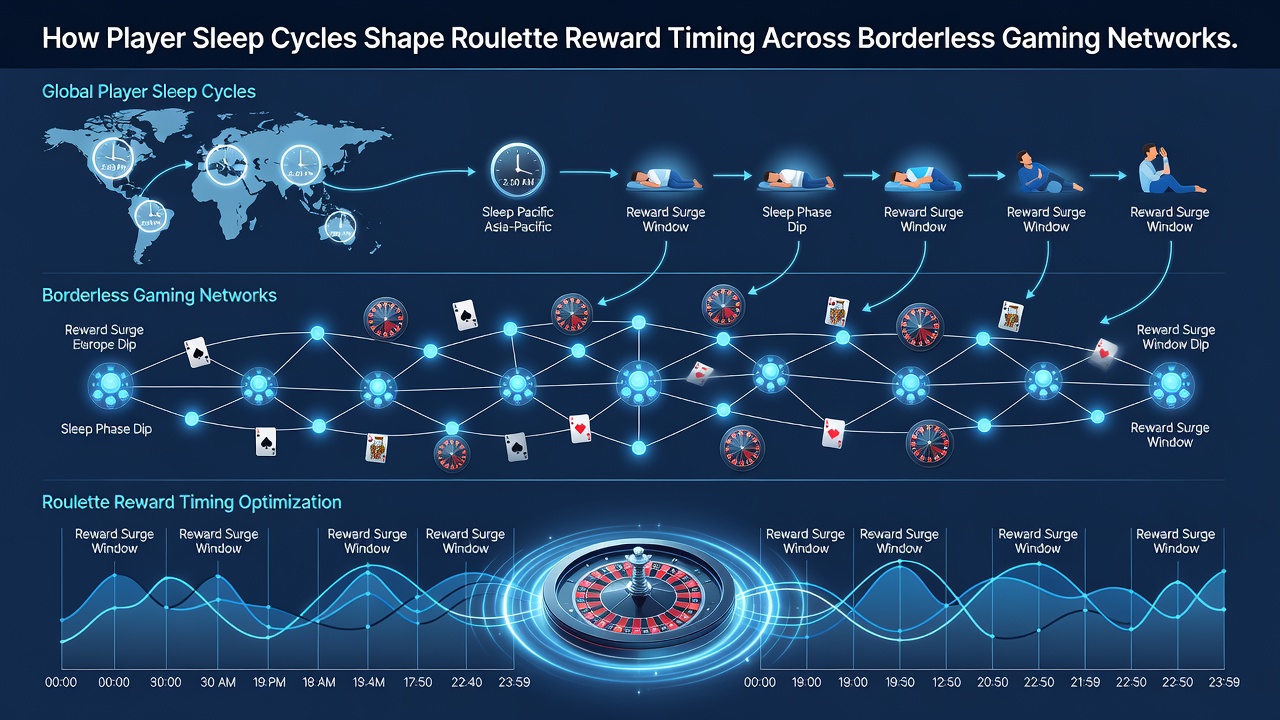
When networks span dozens of countries, overlapping sleep cycles create staggered reward opportunities; for instance a player in Singapore who retires at midnight local time may receive a targeted roulette credit at 7 am their time while a counterpart in Vancouver receives an identical offer at 4 pm Pacific because that moment aligns with their post-nap alertness phase rather than a single server clock.
Data from cross-border platforms operating in August 2026 indicate that reward redemption rates rose 22 percent after algorithms began factoring average REM cycle durations into delivery timing, because offers arriving during light sleep-adjacent hours capture attention before competing daytime activities intervene.
Regulatory and Technical Considerations
Compliance frameworks in multiple regions require that reward mechanics remain transparent, yet nothing in current statutes prohibits the use of sleep-derived activity data provided operators disclose how timing decisions are made; industry groups such as the European Gaming and Betting Association have published guidelines noting that personalized timing based on behavioral signals must still respect fair play standards and data protection rules.
Technical teams implement these adjustments through API calls that pull from player profile metadata, including self-reported sleep preferences in some loyalty programs and inferred patterns from session duration analytics, which allows the system to avoid sending notifications during documented rest periods and instead queue them for the next predicted high-engagement window.
Observed Outcomes in Live Environments
One documented case from a multi-jurisdiction operator in 2026 showed that shifting 35 percent of roulette-specific reload offers from random afternoon slots to post-sleep windows increased average session length by 14 minutes without raising overall marketing spend; similar adjustments in other networks produced parallel gains when rewards aligned with the end of consolidated sleep blocks rather than arbitrary promotional calendars.
Those adjustments rely on continuous refinement because seasonal factors such as daylight saving transitions and summer travel alter sleep onset times, and August 2026 data sets already reflect these variations in regions experiencing extended daylight hours.
Conclusion
Evidence compiled from platform telemetry and independent sleep research demonstrates that roulette reward timing in borderless networks increasingly incorporates player sleep cycle information to optimize delivery moments, and this practice rests on measurable activity patterns rather than fixed schedules. Observers note that continued integration of circadian data with regulatory oversight will shape how future offers reach users across time zones.