13 Aug 2026
How Timezone Shifts Across Continents Drive Personalized Timing for Wheel-Based Reward Drops in Cross-Jurisdictional Gaming Apps
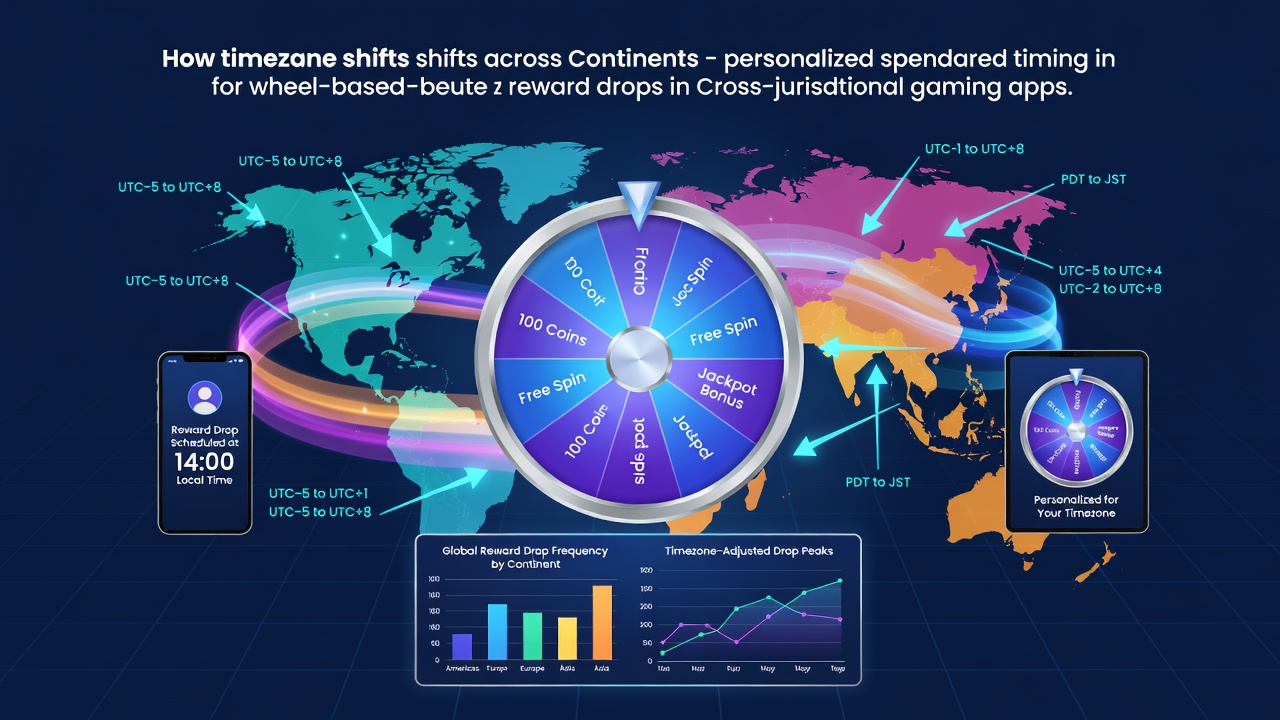
Time differences between continents create distinct operational windows that gaming platforms use to schedule wheel-based rewards, and operators adjust these drops according to each user's local clock rather than a single server standard. Systems detect the player's registered timezone through device data and geolocation signals, then align reward availability with midnight in that specific zone or another predetermined local hour. This method ensures users in Tokyo receive their daily spin at the same relative moment as those in New York, even though the actual UTC time differs by more than twelve hours.
Mechanics Behind Cross-Continent Synchronization
Platforms maintain a central database of world timezones that updates automatically during daylight saving transitions, and developers integrate APIs from sources such as the Internet Assigned Numbers Authority to avoid mismatches. When a user opens the app, the software queries the current offset and calculates the next reward trigger point, while algorithms factor in continental clusters to batch server loads during peak regional periods. Observers note that servers in European data centers often process North American reward queues hours before Asian ones activate, which distributes computational demand across the day and prevents simultaneous spikes.
August 2026 data from multiple operators showed reward redemption rates climbing when timing matched local evenings, particularly in markets spanning more than five timezones. Applications therefore layer additional rules that shift drops slightly earlier or later based on historical engagement patterns within each region, creating a form of personalized scheduling that still respects jurisdictional boundaries.
Regional Regulatory Influences on Timing Logic
Different licensing bodies impose rules that indirectly affect how rewards appear on player screens, and operators embed compliance checks that reference local gaming statutes before finalizing drop schedules. The New Jersey Division of Gaming Enforcement requires clear disclosure of reward windows for users within its jurisdiction, which forces platforms to display timing in the player's own timezone rather than an operator default. Similar requirements appear in frameworks administered by the Australian Communications and Media Authority, where transparency around promotional timing forms part of responsible gaming standards.
These regulations lead developers to build modular timing engines that swap rule sets according to detected location, and the result is a reward calendar that changes dynamically as users travel across borders or switch devices. One implementation logs the last three timezones associated with an account and selects the most frequent setting to maintain continuity for frequent travelers.
Data Patterns and Personalization Layers
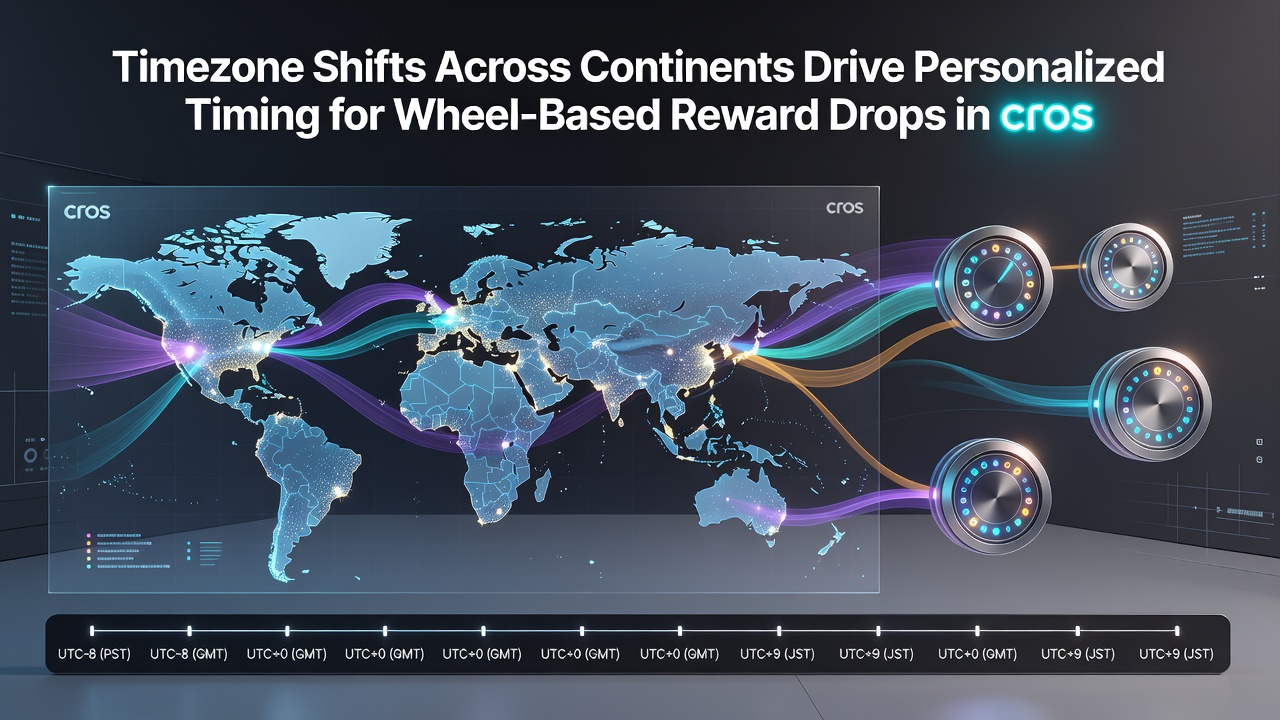
Analytics teams examine login timestamps aggregated by continental region, and they correlate these figures with reward claim rates to refine future drop times. Reports from research groups tracking digital entertainment trends indicate that players in the Asia-Pacific region show higher interaction when rewards land between 19:00 and 22:00 local time, whereas European cohorts respond more strongly to early afternoon windows. The systems therefore apply continent-specific offsets on top of the base timezone calculation, producing individualized schedules without requiring manual user input.
Cross-jurisdictional apps further segment users by registered address and IP range to satisfy varying legal frameworks, and they maintain audit logs that demonstrate adherence to each territory's timing transparency rules. When a player relocates permanently, the account profile updates through verified address changes, which triggers a recalculation of all future reward triggers to the new local midnight equivalent.
Technical Implementation Across Platforms
Mobile applications rely on operating system timezone services combined with network-provided location data, and backend services reconcile these inputs against a master list that accounts for political changes in timezone boundaries. Developers test edge cases such as users crossing the International Date Line or entering regions that observe half-hour offsets, and they adjust the reward queue accordingly to prevent skipped or duplicated drops. Industry reports compiled by the European Gaming and Betting Association highlight how these precise calculations support consistent player experiences while meeting local operational requirements.
Server clusters distributed across continents allow near-instant recalculation when a user changes location mid-session, and the architecture prevents reward conflicts by locking each account to a single active timezone at any moment. This approach maintains fairness across jurisdictions because the underlying probability mechanics remain identical even as the visible timing shifts.
Conclusion
Timezone management has become a core component of reward system architecture in cross-border gaming applications, and the integration of regulatory requirements with user location data produces schedules that adapt to continental differences without manual oversight. Continued refinement of these systems relies on aggregated engagement statistics and compliance feedback from licensing authorities in multiple regions, ensuring that wheel-based drops remain accessible and predictable for users wherever they connect.