20 Aug 2026
Seasonal Event Timing Influencing Reward Allocation in Regulated Digital Wheel Gaming Platforms
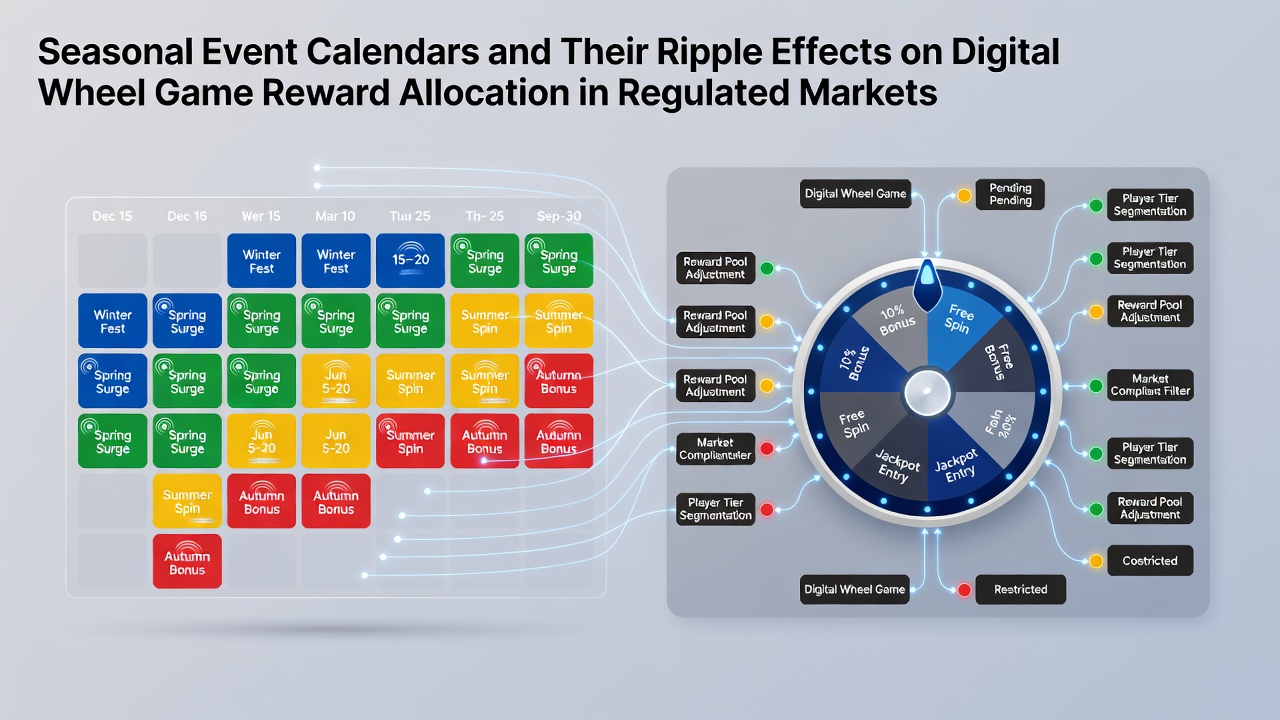
Seasonal event calendars play a direct role in how operators structure reward systems for digital wheel games across regulated markets, and data from industry reports show these calendars often dictate the timing, volume, and type of incentives released to players. Operators align promotional periods with holidays, sports seasons, and cultural observances because these windows generate predictable spikes in engagement that platforms then match with adjusted reward pools.
Calendar Structures and Market Responses
Regulated jurisdictions maintain distinct seasonal frameworks that operators must follow when planning allocations, while compliance teams review each calendar entry to ensure offers stay within licensing boundaries. In the United States, state gaming commissions require advance notification for any bonus campaigns tied to major events such as Independence Day or Labor Day, and similar rules apply in European markets where national authorities track seasonal promotions to prevent over-allocation during peak periods. August 2026 stands out because multiple jurisdictions schedule back-to-school campaigns and late-summer festivals that coincide with increased mobile play, prompting operators to expand reward tiers for wheel games during that window.
Data Patterns Across Jurisdictions
Figures released by the American Gaming Association reveal that reward distribution volumes for online wheel products rise between 18 and 27 percent during calendar-driven events compared with non-event months, and these increases concentrate in states with mature regulatory frameworks. Canadian provincial regulators report parallel trends where summer festivals and winter holiday periods trigger larger free-play allocations, yet the same authorities cap total exposure per player to maintain responsible gaming standards. Operators therefore segment their calendars by region, adjusting reward sizes and wagering requirements so each market receives tailored offers that still comply with local caps.
Allocation Mechanisms in Practice
Digital platforms use automated systems that pull from seasonal calendars to determine when reward pools activate, and these systems factor in historical player data to predict demand while remaining within regulatory limits. One case from a major European operator showed that aligning a Halloween campaign with existing loyalty tiers increased wheel game participation by 34 percent without exceeding monthly bonus caps set by the Malta Gaming Authority. Researchers tracking these patterns note that calendar synchronization reduces the risk of regulatory flags because offers appear predictable rather than reactive.
Regulatory Oversight and Compliance Adjustments
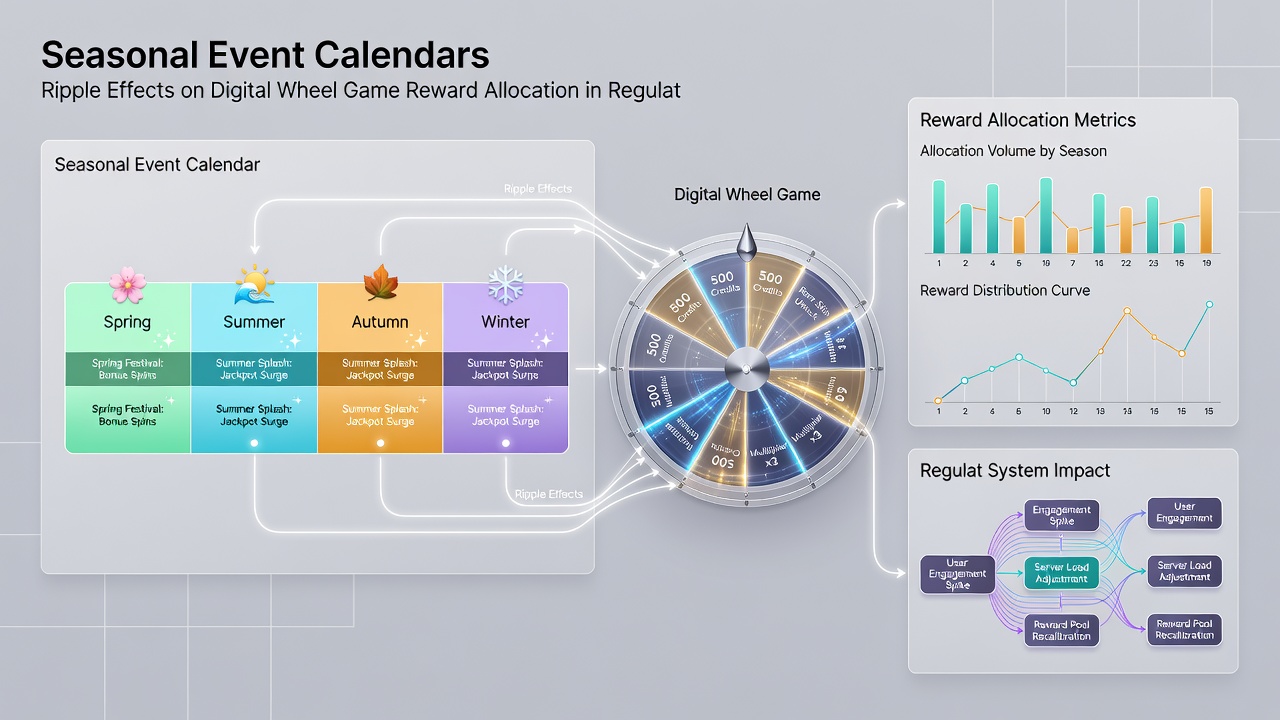
Authorities in multiple regions require operators to submit seasonal promotion schedules months in advance, and this process forces platforms to model reward allocation against projected player volumes. The Swedish Gambling Authority, for instance, reviews event-linked offers to confirm they do not disproportionately favor high-volume players, while Australian state regulators examine similar campaigns for fairness in wheel game reward distribution. When calendars list overlapping events across borders, operators often create tiered reward structures that scale automatically based on player location and account status.
Industry Tools and Emerging Trends
Software providers now integrate calendar APIs directly into bonus engines so that reward triggers activate on specific dates without manual intervention, and this automation helps operators stay compliant while responding to seasonal demand. Reports from the European Gaming and Betting Association indicate that markets using these integrated tools experience fewer compliance incidents during peak calendar periods because allocation rules remain consistent. Observers note that the same systems allow regulators to audit historical reward flows more efficiently since every calendar-linked adjustment leaves a clear data trail.
Conclusion
Seasonal event calendars continue to shape how regulated operators allocate rewards for digital wheel games, and the patterns documented across jurisdictions show clear links between calendar dates and changes in reward volume, structure, and timing. As August 2026 approaches, platforms in licensed markets prepare updated allocation models that reflect both cultural events and regulatory requirements, ensuring reward systems remain synchronized with established seasonal frameworks while staying within legal boundaries.