25 Jun 2026
Smart Device Ecosystems and Their Emerging Role in Distributing Wheel Game Incentives
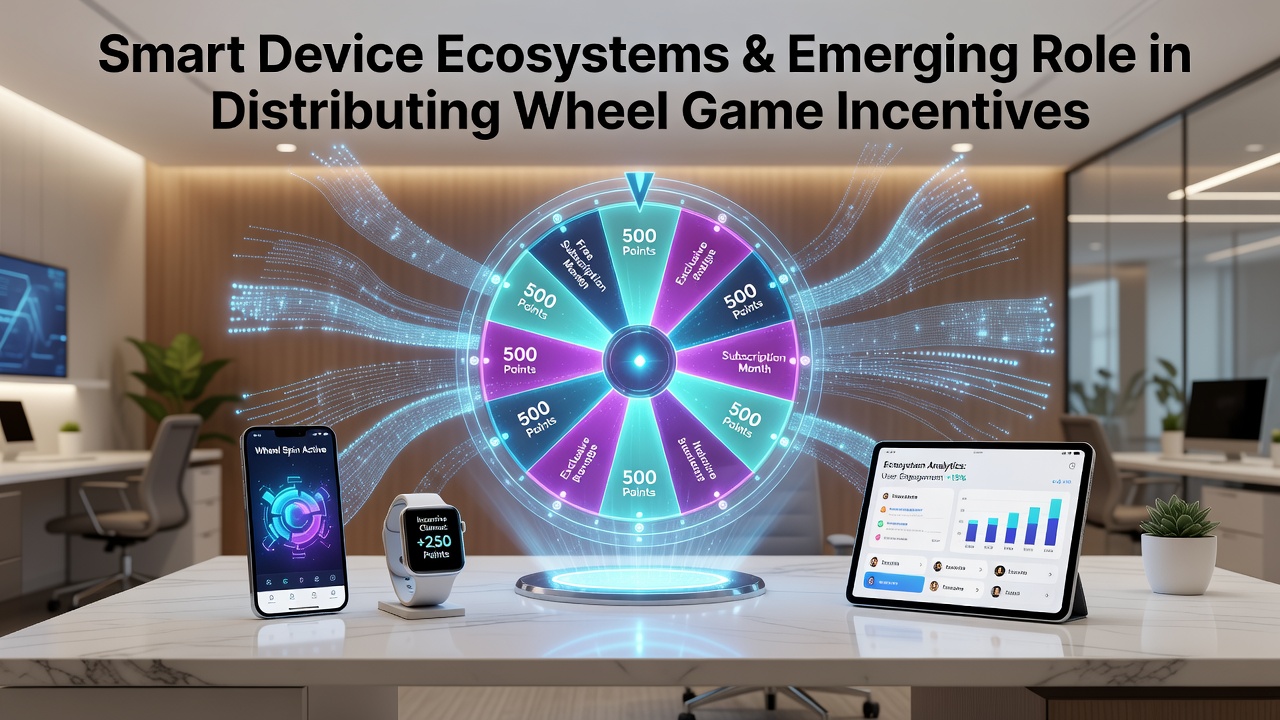
Smart device ecosystems have expanded their reach into gaming platforms by connecting mobile operating systems, wearable technology, and cloud services to facilitate incentive distribution for wheel games such as roulette, and observers note that these networks rely on interconnected apps, location services, and user data streams to deliver tailored offers directly to participants.
Integration of Operating Systems with Gaming Platforms
Apple's iOS and Google's Android frameworks incorporate APIs that allow gaming operators to sync player accounts across devices, while Samsung's ecosystem extends similar connectivity through its Galaxy devices, and data from these systems shows that notifications about wheel game credits arrive via push services tied to user profiles rather than standalone casino apps alone. Research from industry reports indicates that such integrations reduce friction in claiming incentives because users remain logged into their broader device accounts, which stream activity logs to centralized servers managed by operators.
Wearable Technology and Real-Time Perk Delivery
Smartwatches and fitness bands from multiple manufacturers feed biometric and location data into gaming ecosystems, which enables operators to trigger wheel game incentives based on detected patterns like travel to gaming venues or periods of device inactivity, and figures from regulatory filings reveal that this approach increased incentive redemption rates in monitored markets during early 2026. Those who have analyzed cross-device logs point out that heart rate or step count correlations sometimes align with session timing, although the primary mechanism remains account-level permissions granted by users.
Data Sharing Protocols Across Ecosystems
Cloud services within these ecosystems handle encrypted transfers of gameplay metrics to operator dashboards, which then calculate eligibility for wheel game rewards according to predefined algorithms, and studies compiled by academic institutions such as the University of Nevada Reno highlight how standardized protocols like OAuth facilitate secure handoffs without exposing full financial details. The reality is that participants often grant tiered access levels, allowing basic profile data for simple notifications while restricting deeper analytics to verified sessions, and this layered consent model appears in documentation from multiple platform providers.
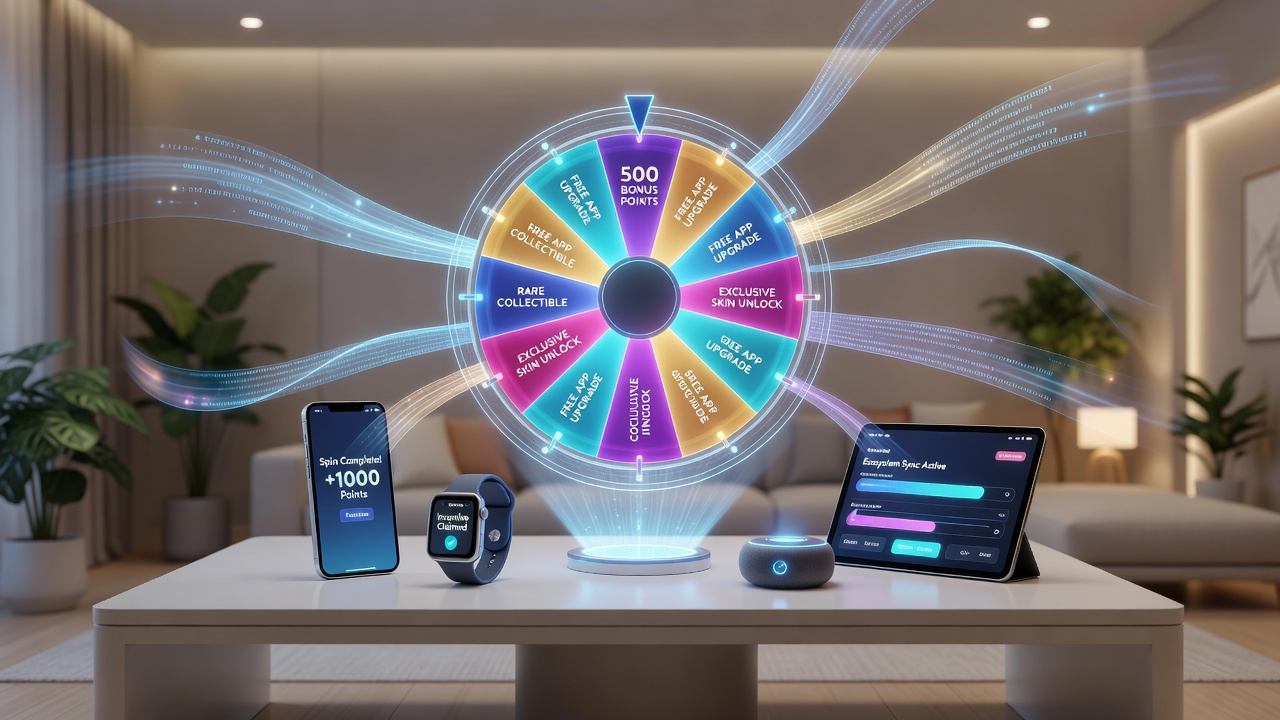
Geographic variations influence these distributions because different regions impose distinct rules on data flows, with the Nevada Gaming Control Board requiring specific audit trails for any incentive pushed through device ecosystems in its jurisdiction, whereas Australian state regulators emphasize consumer choice mechanisms that let users pause cross-app sharing at any time. What's interesting is how these rules shape the technical architecture, since operators must maintain separate compliance modules for each market while using the same underlying device APIs.
Role of Smart Home Devices in Extended Engagement
Voice assistants and connected speakers integrated into home ecosystems occasionally surface wheel game updates through audio prompts or screen displays on smart displays, and reports from the Canadian Gaming Association document cases where linked accounts receive sequential incentives that build across sessions initiated on mobile devices and continued via voice commands. Operators track these multi-device journeys through unique identifiers that persist across platforms, which allows reward ladders to advance based on cumulative activity rather than isolated logins.
Regulatory and Security Considerations in 2026
By June 2026, updates to data protection frameworks in the European Union and select Asian markets had prompted ecosystem providers to introduce additional verification steps before incentives reach users, and evidence from compliance summaries shows reduced unauthorized access incidents following these changes. Gaming associations in various jurisdictions continue to monitor how device-level authentication interacts with age verification requirements, which ensures incentives reach only eligible accounts even when distributed through shared family ecosystems.
Payment processors linked to device wallets further streamline incentive delivery by pre-authorizing small transfers for wheel game entries, and industry data collected across North American operators indicates faster processing times compared with traditional methods that require separate banking logins. Those who've examined transaction logs note that ecosystem-native wallets handle micro-transactions for bonus conversions without triggering additional verification in many cases, provided the initial account setup meets operator standards.
Future Patterns in Ecosystem-Driven Distribution
Emerging standards for interoperable gaming APIs suggest continued expansion of wheel game incentives across more device types, including augmented reality glasses that overlay spin interfaces onto physical environments, and preliminary findings from research institutions point to higher engagement metrics when incentives appear contextually during daily routines tracked by the ecosystem. Operators adjust their distribution logic based on aggregated anonymized trends rather than individual targeting in some markets, which aligns with evolving privacy expectations documented in regulatory updates.
Conclusion
Smart device ecosystems continue to reshape how wheel game incentives reach participants through interconnected platforms that leverage operating system features, wearable inputs, and cloud protocols to enable seamless delivery while adhering to regional rules. Data sharing remains governed by user permissions and oversight from bodies such as the Nevada Gaming Control Board alongside international counterparts, which supports consistent yet localized implementations. As these networks evolve, the mechanisms for reward allocation stay tied to technical standards that prioritize security and compliance across device boundaries.