6 Aug 2026
The Ripple Effects of Jurisdictional Changes on Spinning Game Reward Systems
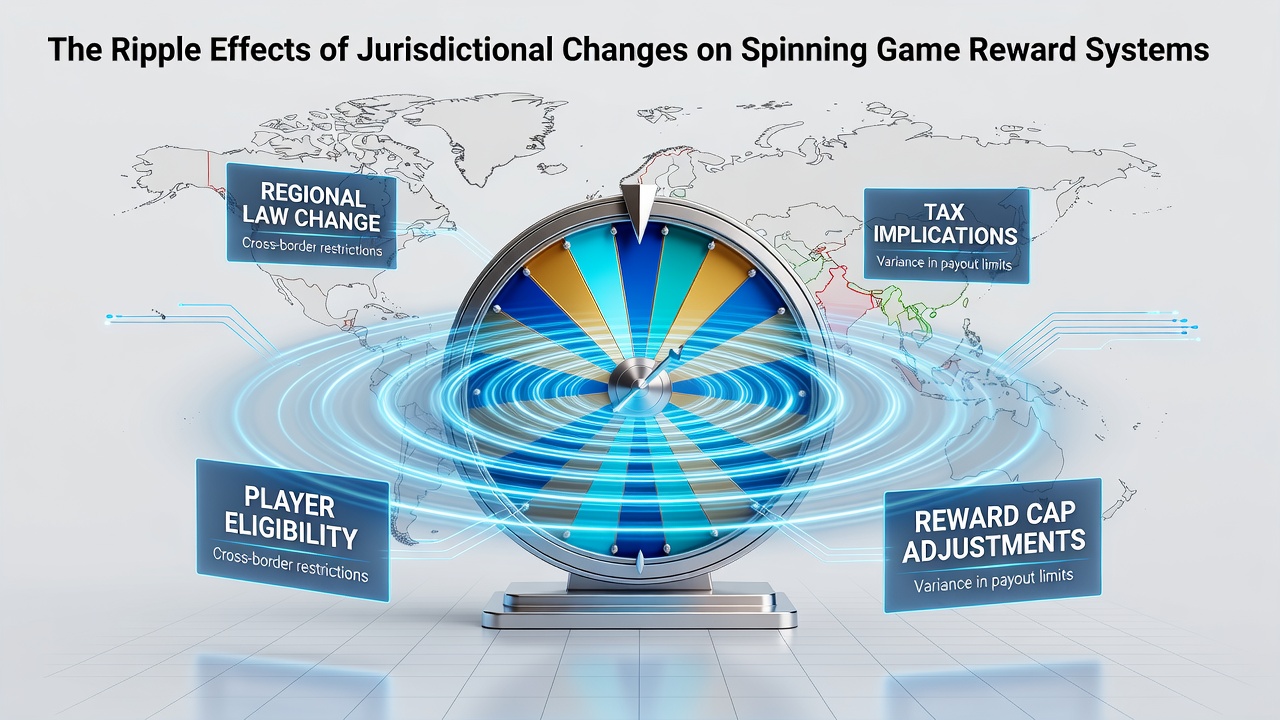
Regulatory adjustments across different regions continue to reshape how operators structure reward systems for spinning games such as roulette and similar wheel-based formats, with changes in licensing rules directly influencing bonus eligibility, loyalty point accumulation, and promotional credit distribution. Data from industry monitoring groups shows that when one jurisdiction alters its stance on player incentives, operators often recalibrate offerings in adjacent markets to maintain compliance while preserving revenue streams, creating a cascade that affects cross-border players who access multiple platforms. Observers note that these shifts frequently involve updated wagering requirements or new caps on no-deposit credits, which then prompt platforms to revise their global reward frameworks accordingly.
Regulatory Adjustments and Their Immediate Reach
Changes in licensing conditions within one area, such as updated deposit bonus caps introduced in certain Canadian provinces during early 2026, have led operators to standardize reward parameters across their international sites, resulting in uniform reductions to free spin allocations for roulette tables. Research from academic institutions tracking digital gaming patterns indicates that these modifications stem from efforts to align with local consumer protection standards, yet they ripple outward because many platforms operate under multi-jurisdictional licenses that require consistent terms. Players in unaffected regions sometimes encounter altered eligibility criteria as a direct consequence, particularly when accounts are managed through shared backend systems that apply the strictest applicable rules universally.
Cross-Border Data Flows and Reward Customization
Platforms increasingly rely on centralized player databases that incorporate jurisdictional flags, which means a policy update in one market can automatically adjust reward delivery in others through algorithmic triggers designed for compliance. According to reports from the European Gaming and Betting Association, operators have expanded their use of geolocation verification tools since mid-2025, allowing finer control over which promotions activate based on a user's detected location at login. This technical layer ensures that spinning game incentives, including cashback on roulette wagers, reflect the most restrictive rules in force, even when a player moves between regions with differing regulations.
Impact on Loyalty Programs and Point Systems
Loyalty tiers tied to spinning game activity have undergone revisions in several markets following new tax reporting mandates, with operators in Australia implementing stricter point expiration policies that then influenced similar structures on platforms serving North American users. Figures from regulatory filings reveal that these adjustments often arise because accumulated rewards must now account for varying tax treatments across borders, leading to automated systems that prorate points based on the player's primary jurisdiction. Those who monitor industry trends observe that such changes reduce the flexibility once available in multi-platform loyalty schemes, where users previously transferred credits between roulette-focused sites without jurisdictional penalties.
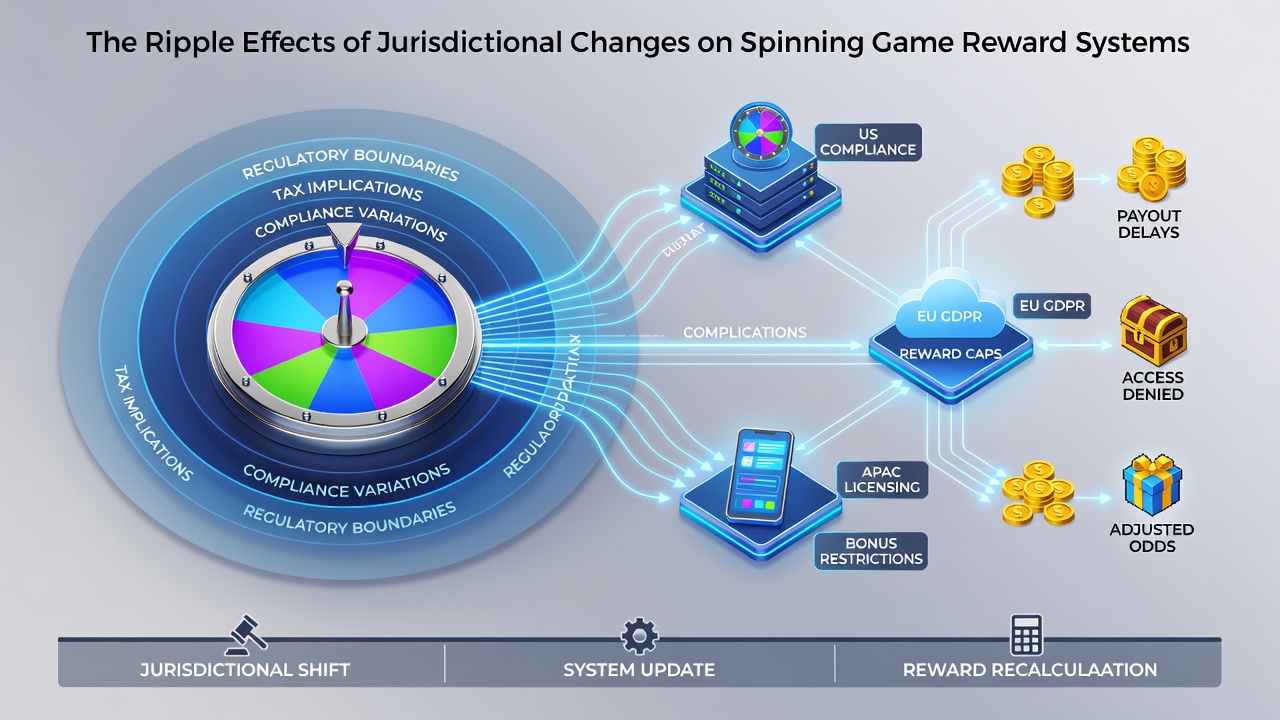
August 2026 saw additional updates from iGaming Ontario that clarified rules around bonus fund segregation, prompting several operators to introduce region-specific reward ledgers that limit how loyalty benefits earned in one area apply elsewhere. This development has encouraged platforms to segment their spinning game promotions more explicitly, with separate tracking for players based in tightly regulated zones versus those in emerging markets. Evidence from compliance audits suggests these segmented approaches help avoid penalties but also slow the pace at which users can unlock higher-tier rewards that depend on aggregated play across multiple jurisdictions.
Operator Responses and Platform Adaptations
Many operators have responded by developing modular reward engines capable of applying jurisdiction-specific multipliers to roulette bonuses and free credit offers, a shift documented in technical overviews published by gaming technology providers. These engines pull from real-time regulatory feeds, ensuring that a change announced in one area immediately updates the available incentives for users whose profiles match the affected criteria. Studies on digital casino operations show that this automation has become standard practice because manual adjustments prove too slow for environments where players frequently switch between licensed and offshore sites.
What's notable is how these adaptations extend to affiliate marketing channels, where customized landing pages now display jurisdiction-filtered promotions that align with local rules while maintaining overall brand consistency. Data patterns collected across platforms indicate that such filtering reduces player confusion but also narrows the range of available spinning game perks for those accessing sites from multiple locations.
Conclusion
Jurisdictional modifications continue to drive structural changes in spinning game reward systems through interconnected licensing requirements, automated compliance tools, and segmented loyalty frameworks. Platforms adjust their offerings to meet the strictest standards in their operational footprint, which in turn standardizes certain elements of bonus distribution and point accumulation worldwide. As regulatory environments evolve, these ripple effects maintain pressure on operators to refine their systems while preserving access to core spinning game incentives for compliant users.