19 Jul 2026
Threads of Chance: How Player Collectives Shape Digital Wheel Entitlement Pathways
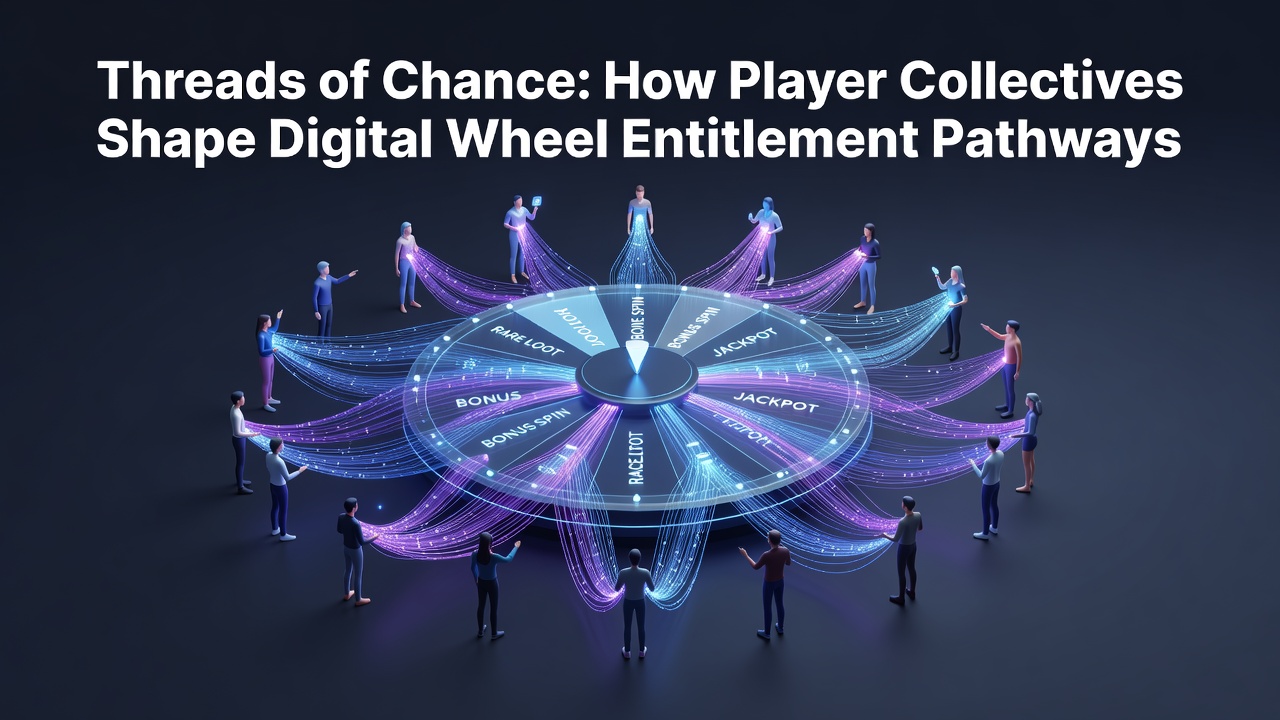
Digital wheel platforms have seen player collectives emerge as organized networks that coordinate across forums, messaging apps, and dedicated servers, and these groups track patterns in reward distribution while sharing data on entitlement criteria. Observers note that such collectives operate in multiple jurisdictions where online roulette and similar wheel formats appear, and their activities focus on mapping how operators allocate credits, free spins, and loyalty adjustments based on aggregated player behavior.
Defining Player Collectives in Wheel Gaming Environments
Player collectives consist of participants who pool information about digital wheel mechanics, including variance in payout algorithms and bonus triggers, while they maintain shared databases that document entitlement pathways across different platforms. These groups often form around specific titles or regional markets, and members contribute logs of session outcomes to identify consistent factors that influence reward tiers. Research from academic institutions indicates that collective data sets grow through voluntary submissions rather than centralized control, and this structure allows participants to compare entitlement rules that vary by operator and licensing authority.
According to reports compiled by the Nevada Gaming Control Board, collective activity has coincided with shifts in how certain platforms adjust bonus eligibility thresholds during peak engagement periods. Participants exchange details on wagering multipliers and time-bound offers, which enables the group to anticipate when entitlement pathways might open or close based on prior cycles observed across multiple accounts.
Mechanisms of Influence on Entitlement Allocation
Collectives shape pathways through coordinated feedback loops where members submit aggregated usage patterns to platform support channels, and operators respond by refining reward parameters to retain group participation levels. Data patterns from cross-border platforms reveal that when collectives highlight inconsistencies in credit delivery, some operators introduce standardized criteria that apply uniformly to new entrants and long-term users alike. Those who study these dynamics point to synchronized account activity as a trigger for platform-side adjustments, since clusters of similar play styles draw attention from analytics systems that monitor retention metrics.
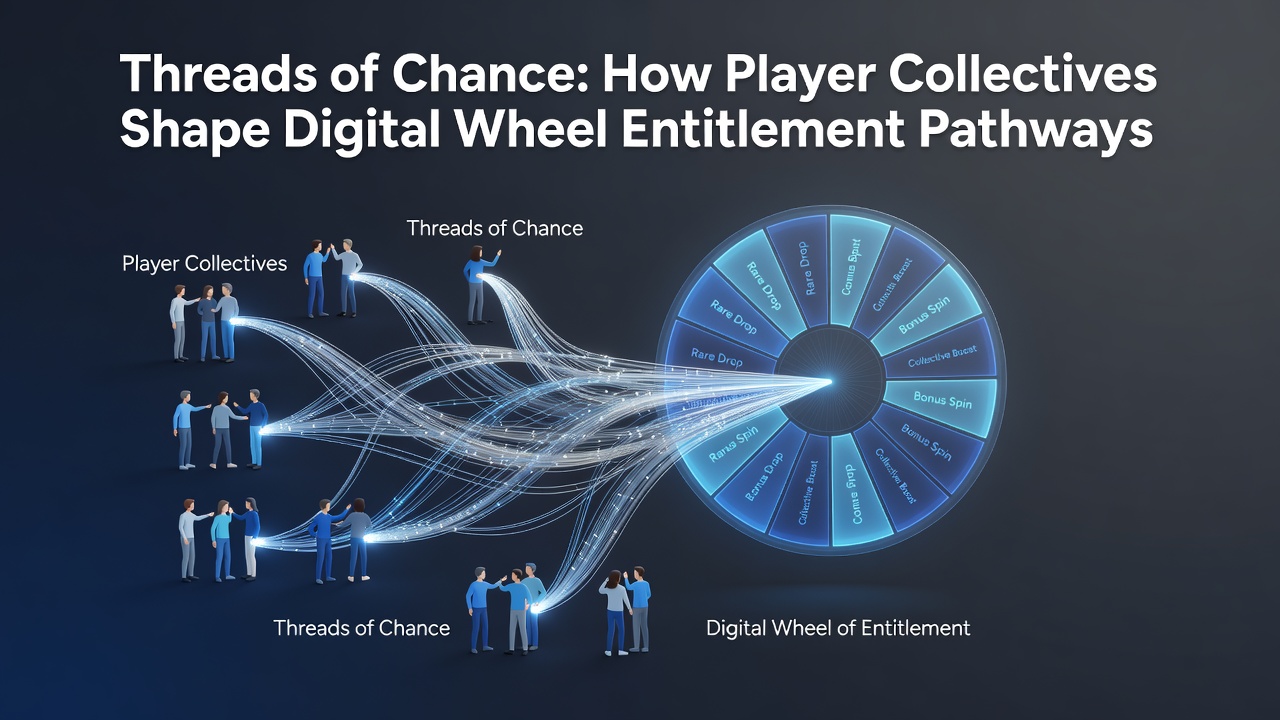
Entitlement pathways include sequences of milestones such as deposit matches, loyalty point conversions, and access to exclusive wheel variants, and collectives document how these sequences change when large numbers of members reach similar thresholds simultaneously. Figures from industry tracking services show that platforms sometimes accelerate or delay certain rewards when collective reports indicate widespread dissatisfaction with progression speeds, and this response occurs without direct negotiation between groups and operators.
Regional Variations and Regulatory Contexts
In markets overseen by the Alcohol and Gaming Commission of Ontario, collective discussions have aligned with updates to iGaming frameworks that require transparent disclosure of bonus terms, and these updates have prompted platforms to publish clearer entitlement criteria that collectives then catalog for member reference. Across Australian jurisdictions, state-level regulators have released guidelines on responsible gaming features that intersect with reward systems, and collectives reference these documents when comparing how different operators implement spending caps or cooldown periods alongside wheel bonuses. Data shared within groups often highlights jurisdictional differences in tax treatment of winnings derived from entitled spins, which affects how members plan participation across borders.
One study released by researchers at the University of Nevada, Las Vegas tracked collective influence on reward customization during the first half of 2026, and results indicated measurable increases in tailored offers for participants who belonged to documented networks. Platforms adjusted parameters after observing clustered play patterns, and these adjustments appeared in July 2026 data sets that showed higher conversion rates for group-coordinated accounts compared to isolated players.
Case Examples of Collective Coordination
Take one documented instance where members of a European-focused collective compiled logs from multiple platforms and identified a recurring delay in loyalty tier advancement for accounts that exceeded certain spin volumes, and they distributed summaries that prompted individual users to adjust session timing. This coordination led to revised entitlement pacing on select sites within weeks, according to follow-up reports circulated among participants. Another example involves North American groups that mapped how mobile-specific wheel variants awarded credits differently from desktop versions, and their shared findings prompted operators to align mobile and desktop pathways more closely after several months of collective pressure through support tickets and public reviews.
Industry organizations such as the European Gaming and Betting Association have noted that collective data contributions sometimes feed into broader market analyses, although direct attribution remains limited because operators treat internal adjustments as proprietary. Those who monitor these interactions observe that pathways evolve through iterative refinements rather than wholesale redesigns, and collectives serve as distributed sensors that surface patterns faster than traditional analytics alone.
Conclusion
Player collectives continue to document and influence entitlement pathways in digital wheel environments through shared observation and coordinated reporting, while regulatory bodies across regions establish frameworks that shape how operators respond. Data from multiple sources shows that these networks accelerate the identification of inconsistencies and contribute to more standardized allocation practices over time. As platforms refine their systems in response to aggregated inputs, the role of collectives remains tied to the flow of information rather than direct authority over outcomes.