7 Jul 2026
Tracing Cryptocurrency Adoption Patterns and Roulette Reward Allocation Shifts Across Emerging Digital Jurisdictions
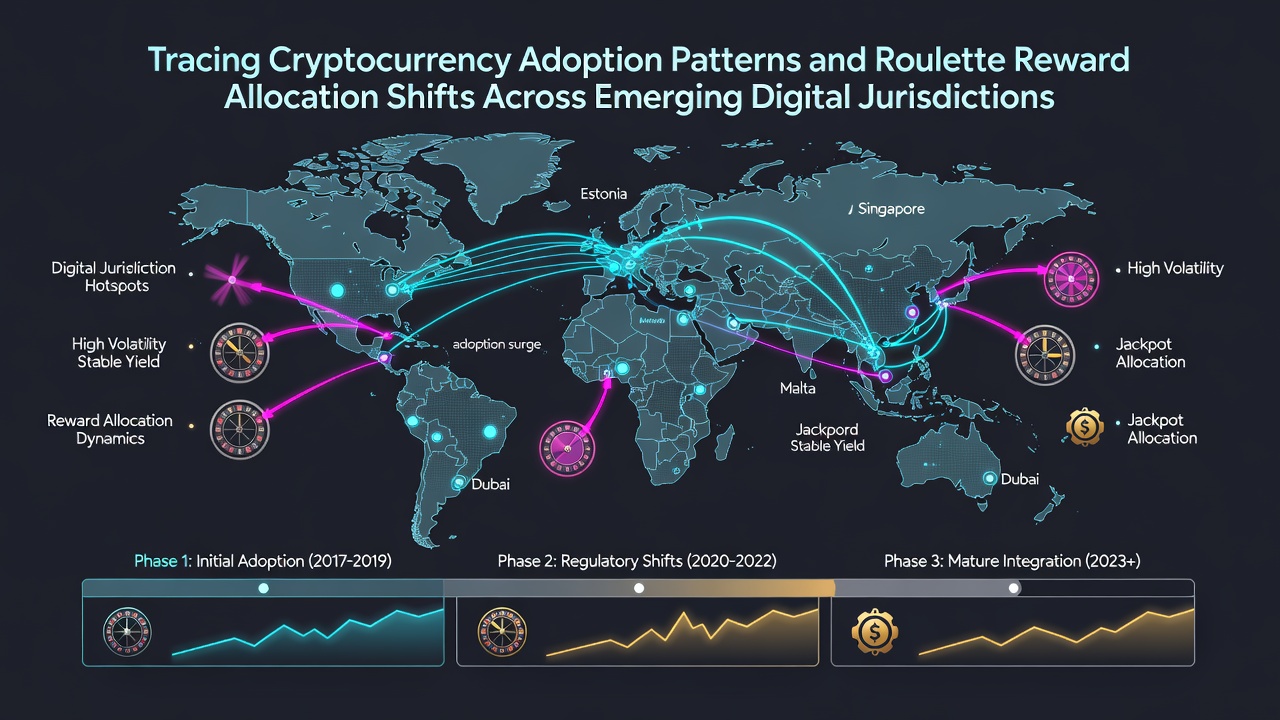
Data from multiple regulatory filings shows cryptocurrency usage in online roulette platforms expanding steadily through 2025 into mid-2026, with adoption rates climbing in jurisdictions that lack mature banking integration for traditional payments. Observers note that players in these regions increasingly convert local currencies into stablecoins or major tokens to access wheel games, and this shift alters how operators structure deposit bonuses, cashback tiers, and loyalty points tied directly to roulette sessions.
Adoption Curves in Key Emerging Markets
Figures released by the National Gaming Control Board of the Philippines indicate that crypto-funded roulette accounts rose 34 percent between January 2025 and July 2026, driven by regulatory updates that permit licensed operators to accept Bitcoin and Ethereum deposits without requiring intermediary banks. Similar patterns appear in parts of Latin America, where data compiled by the Colombian gambling oversight agency shows crypto transactions accounting for nearly 28 percent of all roulette wagers placed through licensed sites during the same period. Those who've tracked these numbers point out that the growth correlates with improved wallet integration on mobile apps rather than broad policy changes alone.
What's interesting is how reward allocation follows these adoption curves. Operators in both markets have begun converting a larger share of their promotional budgets into crypto-denominated offers, such as instant-match deposits paid in USDT or tiered cashback credited directly to player wallets after a set number of spins. This approach reduces friction for users who avoid fiat gateways, and it lets platforms adjust reward percentages dynamically based on real-time blockchain settlement speeds.
Reward Structure Adjustments and Player Behavior Data
Research compiled by the European Gaming and Betting Association reveals that roulette-specific reward pools in crypto-friendly jurisdictions now allocate roughly 45 percent of total bonus value toward instant, non-wagering credits compared with 30 percent in 2024. The remaining budget flows into loyalty multipliers that scale with transaction volume settled on-chain, creating incentives for repeated deposits rather than one-time sign-ups. Those studying player logs report shorter session lengths on average when rewards arrive in crypto form, yet overall wager volume per account rises because settlement occurs within minutes instead of days.
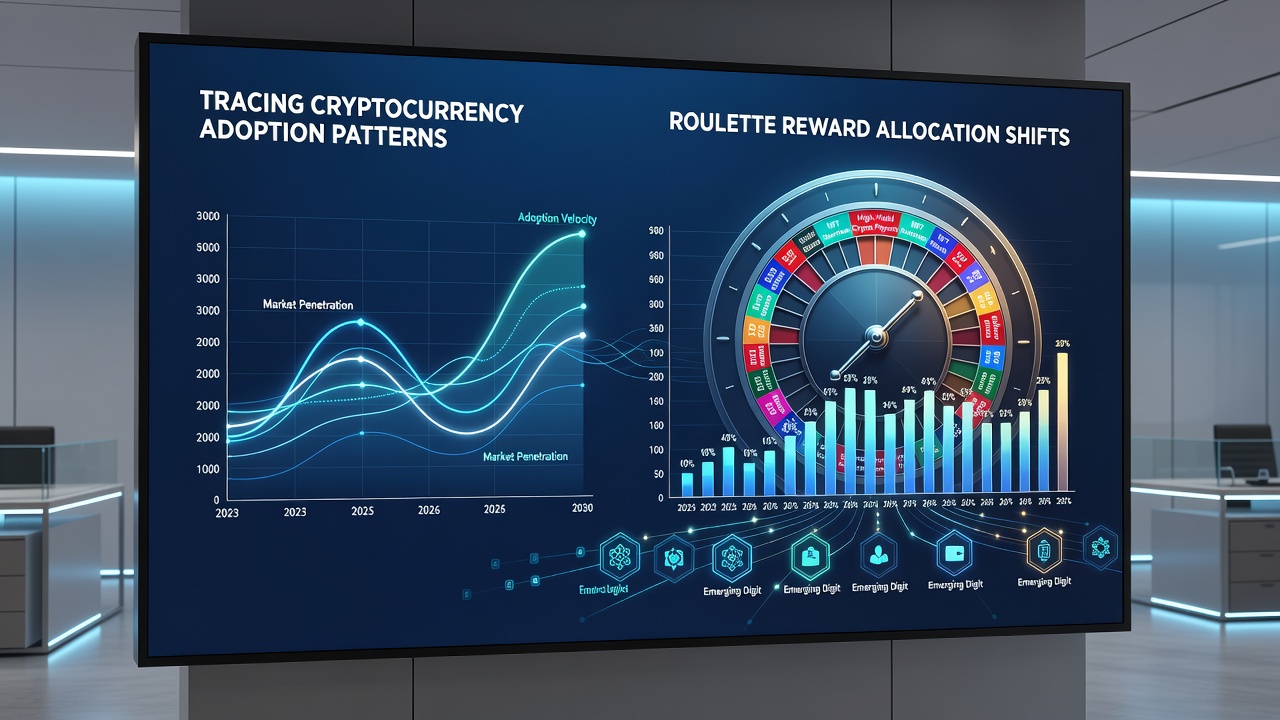
Behavioral analytics platforms used by operators further indicate that reward customization now incorporates on-chain metrics such as wallet age and transaction frequency. In one documented rollout across Southeast Asian platforms during spring 2026, players who maintained consistent crypto deposit patterns received progressively higher roulette cashback rates, climbing from 5 percent to 12 percent over eight weeks. This method ties reward tiers directly to verifiable blockchain activity rather than platform-specific loyalty points alone.
Regulatory Influences on Allocation Patterns
Emerging digital jurisdictions continue to refine rules around crypto acceptance, which in turn shapes how rewards reach players. Authorities in several African markets updated licensing terms in early 2026 to require operators to disclose the proportion of promotional funds held in digital assets versus fiat reserves, producing more transparent reporting on roulette bonus distribution. Data submitted under these requirements shows operators reallocating roughly 15 percent of marketing spend from traditional bonus codes toward wallet-based instant rewards that bypass currency conversion fees.
Academic reviews of transaction datasets from these regions note that volatility hedging features, such as stablecoin-only reward pools, have gained traction where local currencies fluctuate sharply against major tokens. Platforms that introduced these pools recorded steadier roulette participation rates month-over-month through July 2026, even as broader crypto markets experienced price swings.
Cross-Border Data Patterns and Platform Responses
Payment technology reports from industry research groups document that cross-border crypto flows into roulette platforms now represent a measurable share of total deposits in several smaller regulatory zones. Operators respond by adjusting allocation algorithms so that reward percentages scale with the originating wallet's jurisdiction, allowing higher instant-match rates for players from markets with limited banking access. These adjustments appear in live dashboards that update reward offers every 24 hours based on aggregated on-chain volume.
One case study from a Caribbean-licensed operator illustrates the shift: after implementing jurisdiction-specific crypto reward bands in late 2025, average daily roulette wagers per active crypto account increased while the proportion of rewards issued as free-spin credits declined in favor of direct wallet top-ups. The change aligned with updated compliance filings that emphasized real-time settlement transparency.
Conclusion
Patterns traced through regulatory filings, transaction data, and operator reports through July 2026 demonstrate that cryptocurrency adoption continues to influence how roulette rewards are sized, timed, and delivered across emerging digital jurisdictions. Allocation models now incorporate blockchain settlement metrics, wallet behavior, and jurisdiction-specific rules, producing measurable differences in bonus structures compared with earlier fiat-dominant frameworks. As more markets publish updated compliance statistics, these shifts remain observable through aggregated industry datasets rather than isolated platform announcements alone.