20 Aug 2026
Volatility Patterns in Digital Currencies Reshaping Free Play Provisions on Transnational Wheel Gaming Networks
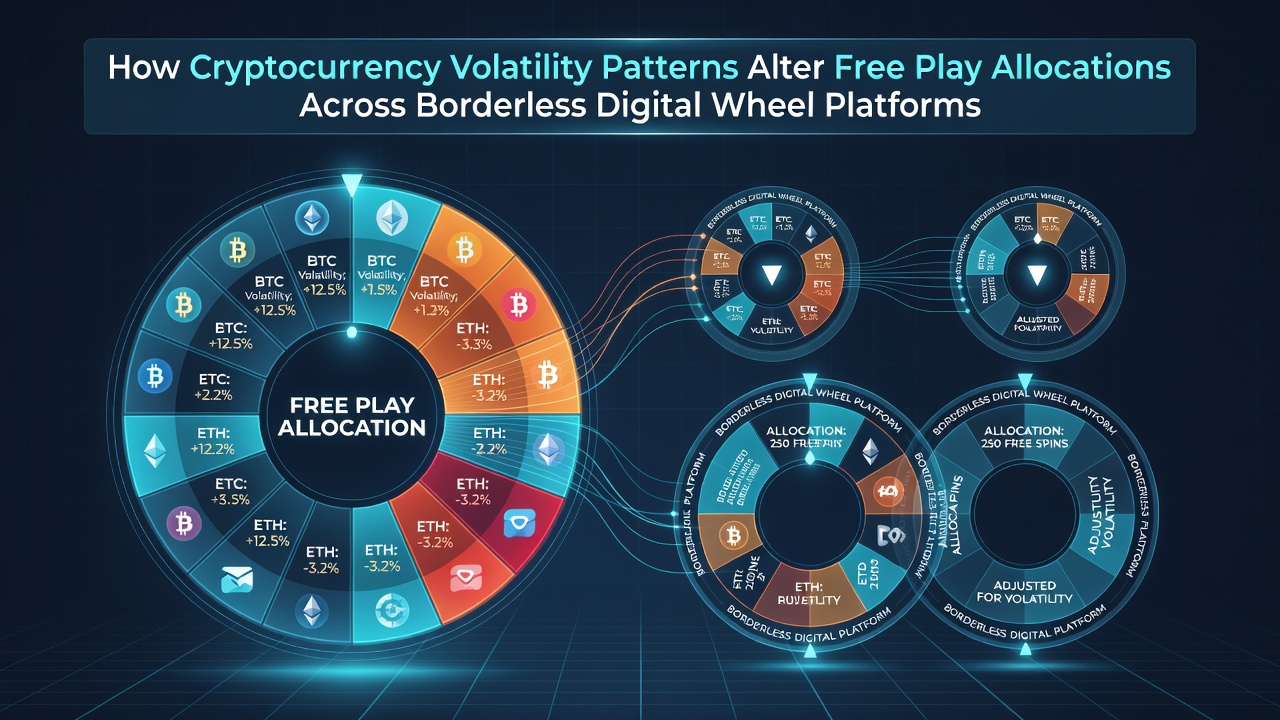
Market swings in assets like Bitcoin and Ethereum have prompted operators of borderless digital wheel platforms to recalibrate the volume and structure of free play credits issued to users, with adjustments tied directly to real-time exchange rate movements and liquidity metrics tracked across multiple trading venues. Data compiled through mid-2026 reveals that platforms processing payments in volatile cryptocurrencies often scale complimentary spin allocations proportionally to daily price fluctuations, ensuring that the nominal value of bonuses remains consistent in fiat equivalents despite underlying asset instability.
Core Drivers Behind Allocation Shifts
Researchers tracking transaction records note that when cryptocurrency prices experience sharp intraday drops exceeding eight percent, many transnational operators reduce the number of free credits distributed per account while extending wagering requirements to offset potential revenue erosion, and this pattern intensified during the volatility spikes observed in August 2026 when Ether recorded successive declines that rippled through player deposit volumes. Platforms integrate automated pricing engines that pull live data feeds from exchanges, allowing them to modulate bonus pools in response to market depth and order book imbalances rather than relying on static promotional calendars.
Regulatory and Operational Responses Across Jurisdictions
Authorities in regions such as the Australian Capital Territory and Canadian provincial frameworks have issued guidance requiring operators to disclose how cryptocurrency valuations influence bonus calculations, prompting several networks to publish volatility-adjusted allocation tables that users can review before claiming credits. European Securities and Markets Authority reports highlight similar transparency mandates emerging in select member states, where firms must demonstrate that free play distributions do not expose participants to undisclosed currency risks during cross-border transfers.
Platform-Level Adaptations and Player Data Trends
Borderless digital wheel environments employing machine learning models have begun forecasting allocation volumes up to seventy-two hours ahead based on historical correlation coefficients between major coin prices and deposit inflows, with one documented implementation in August 2026 showing a fifteen percent reduction in average free play credits following a coordinated selloff across Asian trading sessions. Observers monitoring user behavior across these networks report that players frequently convert credits to stablecoin equivalents immediately upon receipt, a tactic that further influences how operators structure future distributions to maintain engagement levels.
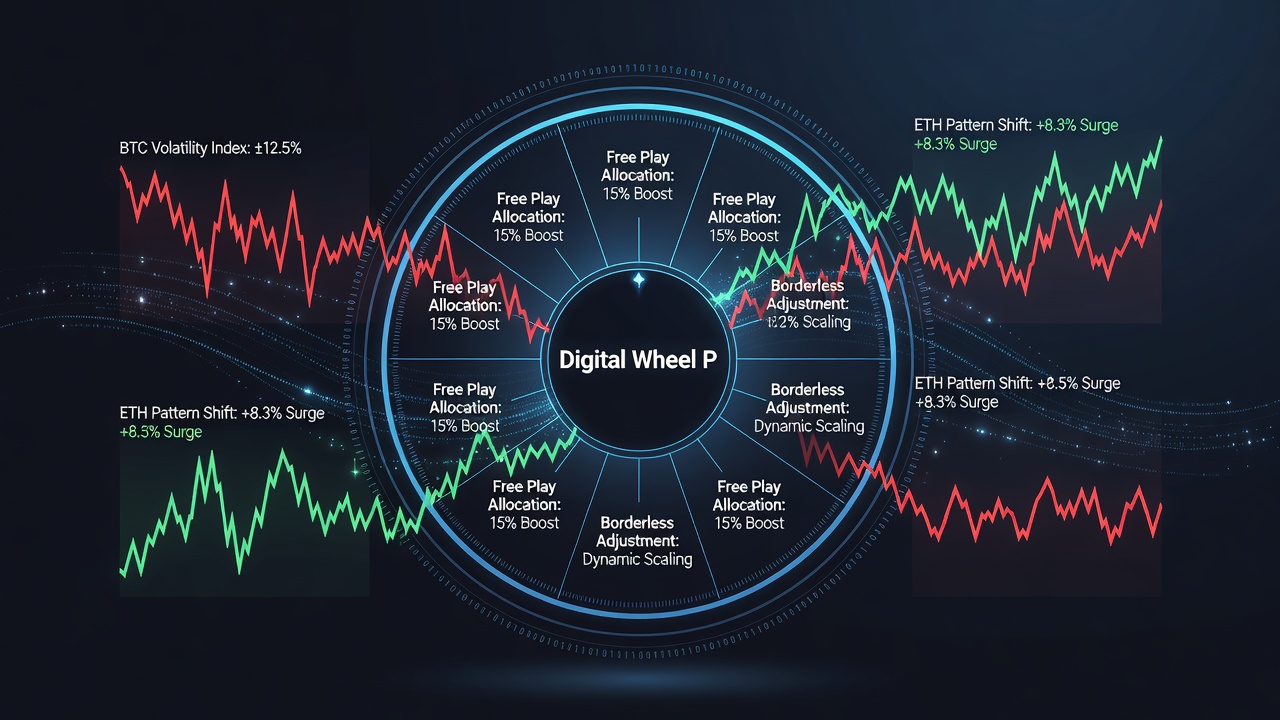
Payment processors integrated with these platforms have introduced hedging instruments that allow operators to lock in fiat values for upcoming bonus campaigns, reducing the frequency of abrupt mid-promotion adjustments that previously disrupted player retention metrics. Studies from academic institutions examining transaction logs indicate that networks offering multi-currency support maintain steadier allocation rates during moderate volatility periods, whereas single-asset platforms exhibit more pronounced swings in credit volumes tied to the dominant coin's performance.
Broader Market Implications for Digital Wheel Ecosystems
Industry associations representing online gaming stakeholders have compiled comparative datasets showing that platforms operating across multiple time zones experience amplified effects from overnight volatility events, leading to synchronized allocation cuts that affect users in disparate geographic regions simultaneously. Figures released in late summer 2026 demonstrate that free play redemption rates on wheel titles declined by approximately twelve percent during periods of elevated cryptocurrency standard deviation, prompting several operators to introduce hybrid bonus structures combining crypto credits with fixed fiat components.
Conclusion
Patterns emerging from ongoing market monitoring suggest that cryptocurrency volatility will continue to dictate the scale and timing of free play allocations across borderless digital wheel platforms, with operators refining predictive models and compliance frameworks to balance promotional appeal against financial exposure. As data collection methods advance and regulatory expectations evolve, allocation strategies are expected to incorporate additional variables such as cross-chain transfer speeds and stablecoin adoption rates, thereby sustaining platform operations amid persistent asset price movements.